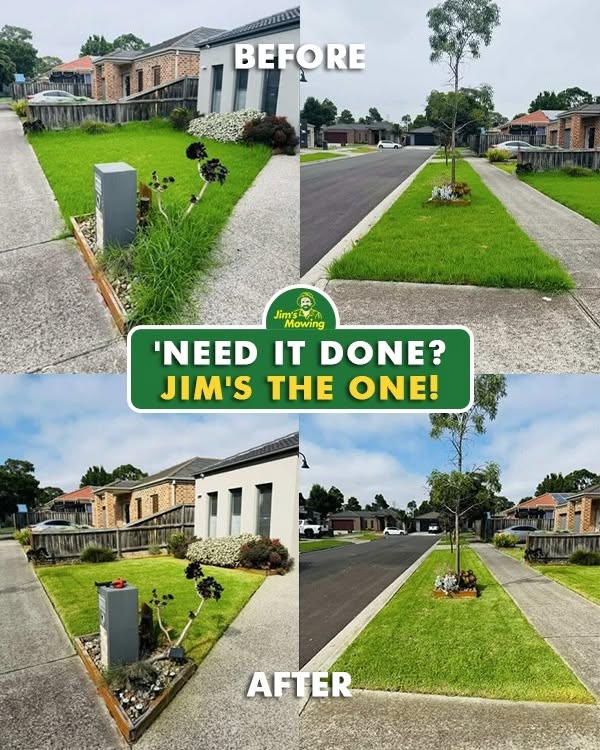
Fire season long grass is a problem that starts in spring, when grass grows fast. On a block bigger than a suburban backyard, that growth can get away from you in a matter of weeks, and by the time summer arrives you are looking at something a push mower cannot touch.
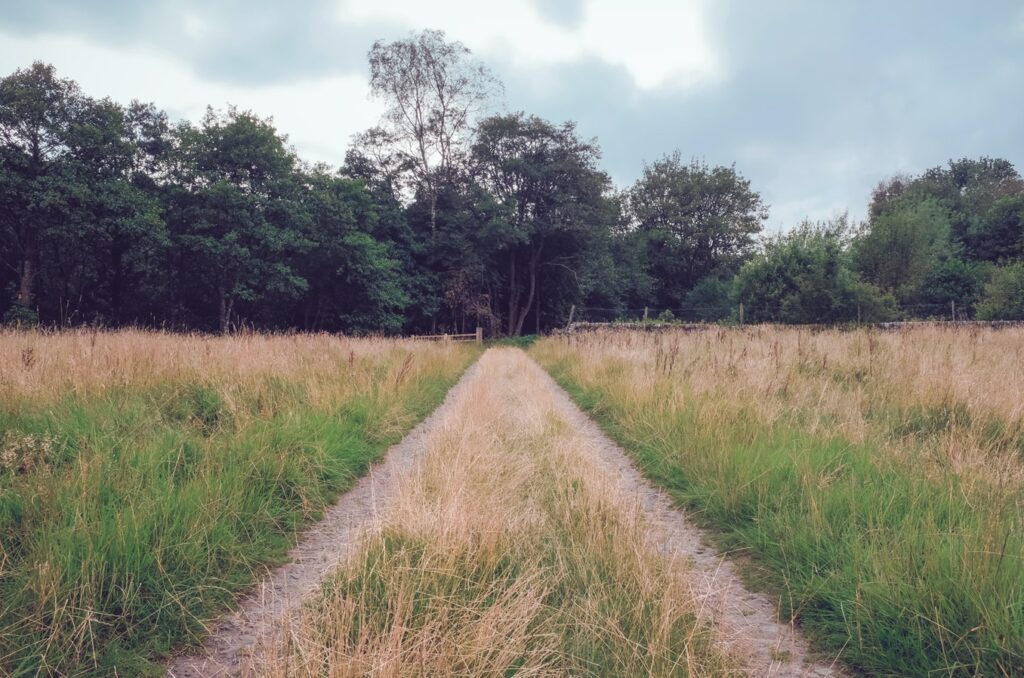
That is not just an appearance problem, and it is why fuel reduction slashing exists. Long dry grass is fuel, and it is habitat.
“Do you notice that it’s fire season and you’ve got some long grass out the back that needs to be slashed? You’ve got a massive pile of rubbish. It’s snake season. Do you need that removed?”
— Dan Cahill, Jim’s Mowing divisional owner, on the Jim’s Mowing podcast
Those three things arrive together every year, and spring is when they get dealt with.
Why Long Grass Matters Before Summer
Fire Load
Cured grass carries fire quickly. Many councils issue fire prevention notices requiring landowners to reduce grass height and clear fuel by a set date, with penalties for not complying. Requirements vary by council, so it is worth checking what applies where you are rather than assuming.
Snakes
Long grass gives snakes cover and gives you no visibility, which is why snake-safe lawn care matters through summer. Clearing it early in the season, before snakes are most active, is considerably safer than clearing it in January.
Access and visibility. Overgrown blocks hide holes, stumps, rubbish, old fencing and anything else that has been swallowed since last summer. That matters if children or animals use the space.
It gets harder the longer you leave it. Grass that has gone to seed and lodged over is a much bigger job than grass caught earlier.
Why a Domestic Mower Will Not Do It
There is a point where a normal lawn mower stops being the wrong tool and starts being a hazard.
Long, thick, damp grass loads up a domestic deck until it stalls, and repeatedly clearing a blocked chute is how people get hurt. Hidden objects are worse. A domestic mower hitting a buried rock, stump or star picket at speed can throw it, damage the machine, or both.
Grass slashing uses different equipment built for exactly this. A brushcutter or heavy-duty slasher will handle material a lawn mower cannot.
“They sort of look like a big powerful mower. You can get them about 30 inches wide and they’ll just go through anything in its path. Blackberries, twigs, everything.”
— a Jim’s Mowing franchisee, on the Jim’s Mowing podcast
For genuinely large areas the answer is a tractor with a slasher attachment, or a ride-on for acreage, which is a different scale of machine again.
How a Slashing Job Is Done
A Walk-Over First
Before anything starts, the block gets checked for hazards. Rocks, stumps, pipes, sprinkler heads, star pickets, rubbish. On an overgrown block this is not optional, and it is the step a rushed operator skips.
- Cut high, then cut again. Very long grass is normally taken down in stages rather than in one pass. Dropping straight to a low height on heavy growth bogs the machine and leaves a poor result. A high first pass, then a second lower pass, works better and is easier on the equipment.
- Decide what happens to the cut material. On a rural block it is often left to break down. Where it is a fire risk or where the customer wants the block usable, it gets raked and removed, and that is a separate part of the quote, usually handled as green waste removal.
- Deal with the edges. Fence lines, around sheds, water tanks and driveways are where fire risk concentrates and where machines cannot reach. That is brushcutter work.
When to Book Slashing
Earlier than most people do.
Spring is the window. Grass is growing at its fastest and has not yet cured, snakes are becoming active but the risk is lower than midsummer, and you are ahead of council notice deadlines rather than reacting to one.
Waiting until the grass is dry and the fire danger is already elevated is worse on every count. Machinery working in dry cured grass carries its own ignition risk, and on days of high fire danger the work may not be able to go ahead at all.
Many blocks need more than one visit across the season, so a spring cut followed by a second one before the peak of summer is a common arrangement.
Getting the Right Equipment on Site
Not every operator has slashing equipment, and the size of the block decides what is needed. Block slashing cost depends on scale. A one acre house block, a five acre lifestyle block and paddock slashing are three different jobs, and acreage mowing costs vary accordingly.
One of the advantages of a network is that the equipment can be found. Franchisees regularly bring in another operator with the right machine rather than attempting a job with the wrong one, including tractor slashing where that is what a block calls for.
Got a block that has got away from you? Your local Jim’s Mowing team can slash it back before fire season and keep it under control. Call 131 546 for a free quote or book online.