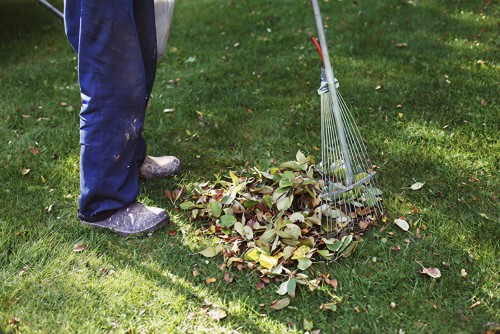
If you have ever stepped onto your own lawn in bare feet and instantly regretted it, you have met bindii.
Here is the frustrating part. By the time you feel those prickles, the battle for this season is already over. Working out how to get rid of bindii is really a question about timing, because the plant has to be dealt with months before it ever hurts you.
So, when is the right window, and what actually works?
What Bindii Is, and Why It Catches Everyone Out
Bindii (Soliva sessilis), sometimes called jo-jo weed, is a low-growing broadleaf weed with fine, soft, carrot-like leaves. It sits flat against the ground and spreads outwards rather than upwards, which is how it slips under the mower blades and survives every cut.
It germinates through autumn and winter. It grows quietly all through the cold months while your lawn is slow and you are not really looking at it. Then, as the weather warms in spring, it flowers and sets seed. Those seed pods are the prickles.
So the plant you can feel in October is a plant that started growing back in April.
– The Mistake Almost Everyone Makes
Most people go looking for a bindii killer at the exact moment when spraying will no longer stop the prickles, because the seed has already formed. The product works. The timing does not.
When to Treat Bindii in Australia
The best time to treat bindii in lawn areas is while it is still small, still green, and has not yet flowered. In most of Australia that means from around June through to early September, depending on your climate.
Treating in that window does two things. It kills the plants that are actively growing, and it stops them reaching the seed stage, which is what refills your lawn for next year.
If you have missed the window and the prickles have already formed, spraying will still kill the plant. It will not remove the prickles that are already there. Those have to be raked, mown off and collected, and you will likely still be finding a few for weeks.
What Actually Works on Bindii
– Selective Broadleaf Herbicide
This is the main tool. A selective product targets broadleaf weeds while leaving grass alone, which is what lets you treat the whole lawn rather than spot-spraying hundreds of individual plants.
The important part is matching the product to your grass type. Buffalo lawns in particular are sensitive, and a herbicide that is perfectly safe on couch or kikuyu can thin out or kill buffalo. If you are not sure what you have, our guide to popular Australian lawn grasses will help you identify it. Always check the label against your grass variety before anything goes in the sprayer.
– Hand Weeding
Fine for a handful of plants in a small lawn, and it works if you get the whole crown out. Not realistic once bindii weed has spread across a whole yard, because you will miss enough to reseed the lot.
– Thickening the Lawn
Bindii establishes best in thin, bare, compacted patches where seed reaches soil easily. A dense lawn is genuinely harder for it to get into. Regular mowing at the right height for your grass type, feeding in the growing season, and repairing bare patches all make next winter’s germination less successful.
– Mowing with a Catcher During Seeding
If you are already past the treatment window, catching your clippings rather than mulching them stops you spreading seed across the rest of the lawn.
What Does Not Work
A few things come up constantly and are worth clearing up.
Vinegar, boiling water and salt will damage bindii, but they are non-selective. They damage whatever they touch, including your grass, and on a lawn full of bindii that means killing the lawn to kill the weed.
Mowing alone does nothing useful. Bindii grows flat, below blade height, so it simply keeps going.
And a single spray is rarely the end of it. Seed already in the soil will germinate the following autumn regardless of how well this year went. Bindii control is a yearly habit, not a one-off job.
The Two-Year Plan for a Bad Bindii Problem
If your lawn has a real problem, think of it across two seasons rather than one.
Year one: treat in winter with a selective herbicide suited to your grass type, then work on lawn density through spring and summer. Feed it, mow it regularly, repair the bare patches.
Year two: treat again in the same winter window. Because there is less seed in the soil and the lawn is thicker, this round does far more.
By the end of the second season most lawns are down to the occasional stray plant rather than a carpet of them.
– While You Are at It
Bindii rarely turns up alone. If you are treating for it, check what else is in there. Our guide to common weeds in Australian gardens covers the usual suspects, and clover and dandelions often respond to the same treatment at the same time.
Getting the Timing Right Without Thinking About It
The hardest part of bindii control is not the spraying. It is remembering to do it in the middle of winter, when your lawn looks fine and nothing appears to be wrong.
That is one of the reasons a regular gardening service tends to work better than a DIY calendar reminder. Your local Jim’s franchisee is on the property through winter anyway, doing the jobs that come up in the quiet months, and treating for weeds like bindii before they seed is part of that.
They will also know which products suit your grass type, which matters most on buffalo, and whether your state has restrictions on what can be sprayed and by whom.
Want your lawn prickle-free by summer? Your local Jim’s Mowing team can treat bindii at the right time of year, with the right product for your grass. Call 131 546 for a free, no-obligation quote or book online.