After leaving interstate trucking, Mark Beggs built a Jim’s Mowing franchise in Mildura that was booked three weeks ahead within four months, picked up 12 regulars from one community-led job, and earned perfect 5-star feedback while improving his health and home life.
In short: Mark Beggs left interstate trucking, joined a Jim’s Mowing franchise in Mildura, and within four months was booked out three weeks ahead. One community giveback job helped him gain 12 regulars, his lead flow became roughly 50-50 between Jim’s and local Facebook referrals, and he says the move has changed his health, stress levels, and family life.
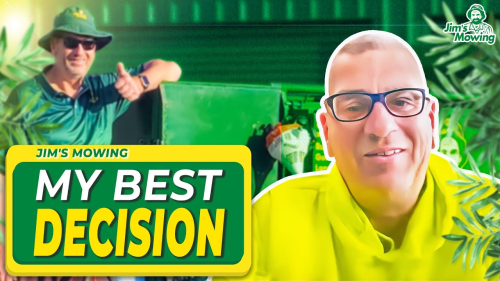
In this More Than Just Mowing Podcast episode, Mark Beggs, a Jim’s Mowing franchisee in Mildura who moved out of interstate trucking and into his own local business. Four months after starting, Mark said he was booked three weeks solid, had gained 12 regulars through community marketing, and was using Jim’s training, franchisor support, and local content posting to build momentum.
Mark Beggs’s story shows what a Jim’s Mowing franchise can look like when the operator backs the system and works the local area properly. He did not walk into instant riches. He built traction fast, used the support around him, and turned trust into repeat work.
What Did Mark Do Before Joining Jim’s Mowing?
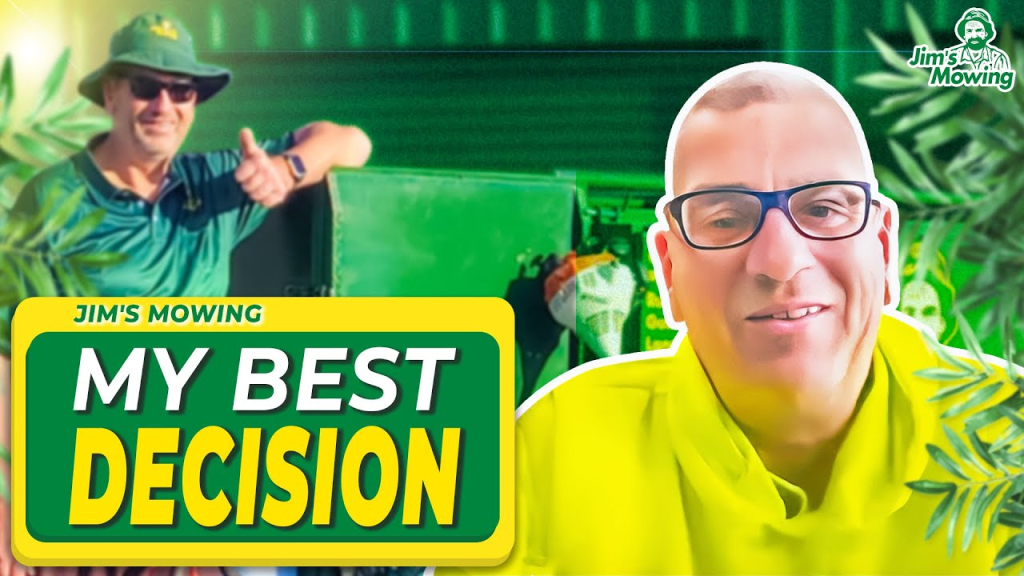
Before joining Jim’s Mowing, Mark Beggs spent most of the last 20 years as an interstate truck driver.
He knew that was ending. His father was retiring, the trucks were being sold, and 25 February was the date he knew he would be out of work.
That gave him a hard deadline. It also forced a real decision about what came next.
The bigger issue was not only income. It was a lifestyle. Mark said that, apart from their honeymoon, he and his wife had never spent more than three days together at any given point during their marriage because of his work schedule.
Why Did He Choose A Jim’s Mowing Franchise In Mildura?
Mark did not make the decision lightly.
He listened to every Jim’s podcast episode he could. Then he rang around half a dozen franchisees in different areas and asked them a blunt question: tell me the negatives, not the positives.
Nobody gave him one.
That matters because it shows how he assessed risk. He did not buy into the brand on emotion alone. He checked the system, tested the claims, and looked for holes before he committed.
For anyone comparing options, that is the real value of a Jim’s franchise opportunity. You are not starting from zero and hoping it works. You are stepping into a system that other operators are already pressure-testing every day.
What Happened In The First Few Months After Starting?
The first month was physically brutal.
Mark went from sitting in a truck for long stretches to full days on the tools. He said he was sore every day and found muscles he did not know he had.
But the hard start did not last. Within months, he was comfortably doing 10 to 12-hour days and coming home feeling good.
Training played a big part in that adjustment. Mark said the business training and mowing-specific training gave him structure and confidence, and that without it, he does not believe he would still be in business.
How Training Reduced Early Business Risk
Mark described the training as six days in total: three days of business training and three days of mowing-specific training.
That matters because early failure in service businesses often does not come from a lack of effort. It comes from quoting badly, structuring work poorly, underpricing, or not knowing how to turn one-off jobs into recurring revenue.
That is where Jim’s franchisee training lowers risk. The operator still has to do the work, but they are not guessing their way through the basics.
How Much Can You Earn With A Jim’s Mowing Franchise?
Four months in, Mark had started paying himself. He had also built enough buffer in the bank before doing that, which shows a practical approach to early cash flow. He says he started in autumn, did not expect huge money straight away, and saw spring as the real ramp-up period.
He was also booked out three weeks ahead before spring had even fully hit.
That is the strongest financial signal in the transcript. Not a flashy revenue claim. Real demand. Real booked work. Real confidence to hire.
If you want broader benchmarks, this is the right place to read more about how much you can earn with a Jim’s franchise.
What The Early Revenue Signals Actually Show
The strongest indicators in Mark’s story are:
- Three weeks booked solid within four months
- 12 regulars gained from one local campaign
- Enough cash buffer built to begin paying himself
- Enough confidence to put on a casual worker before spring
Those are not vanity metrics. They are operating metrics. They show a business moving from startup mode into repeatable local demand.
How Did The Business Grow So Quickly In Mildura?
A big part of Mark’s growth in Mildura came from local visibility.
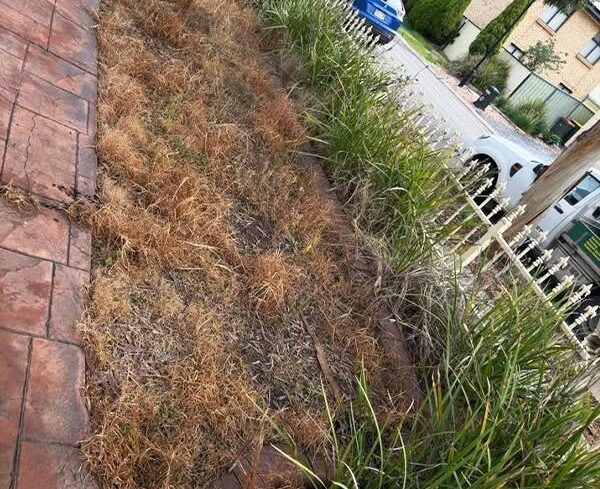
He offered free community mows to people doing it tough. One of those jobs involved a struggling young family with seven kids who were at risk of losing their rental because the yard had become unmanageable.
Mark and his wife spent eight hours transforming the space.
That one act of community goodwill did more than create a nice story. It created proof. Mark says it helped him gain 12 regulars, and he is still getting messages from people because of the way he followed it up with local posts and videos.
Why The Mildura Community Page Became A Lead Engine
Mark did not just post once and disappear. He kept posting before-and-after jobs, video walkthroughs, and practical lawn care advice on the local community page. He says that when people search “mowing” in the community group, his page now comes up first because he posts the most regularly.
That is a real local SEO-style effect inside a platform people already use.
In practical terms, the system works like this:
- Do visible work people care about.
- Show the proof with photos and video.
- Add useful local advice, not just ads.
- Stay consistent enough that people remember your name.
- Let the market come back to you when the need appears.
In Mildura, Mark says the split is now roughly 50-50 between Jim’s leads and community page leads.
That is not accidental. It is a repeatable local marketing habit.
How Did Mark Turn One-Off Jobs Into Ongoing Revenue?
Mark’s approach to upselling is simple. He does not hard sell.
He suggests.
If a lawn needs fertiliser, he says so. If a property needs pruning, he mentions it. If a cleanup reveals bigger ongoing needs, he puts suggestions directly on the invoice for future work.
That small system matters.
Why Suggestive Invoicing Works Better Than Hard Selling
One example is a one-off cleanup for a client who wanted a tidy garden and lawn.
Mark put simple suggestions on the invoice for future work, including pruning roses and citrus trees. The client came back and asked him to make it a profitable fortnightly service so they would not have to think about it again.
That is a strong business lesson.
A good Jim’s Mowing franchise operator is not only selling a mow. They are reducing decision fatigue for the client. The easier you make it for a customer to say yes to the next job, the more stable the revenue becomes.
What Systems And Tools Made The Biggest Difference?
The biggest difference was not one app. It was a stack of practical systems.
Mark used training, local content posting, quote-based suggestions, invoice follow-ups, fridge magnets, and brand credibility to make it easier for customers to trust him and rebook him.
He also adapted his equipment to suit his body and workload. At just under seven feet tall, he said the Whipper Gripper handle and adjustable Bushranger self-propelled mower were game changers because they reduced strain and helped him work more comfortably.
How Brand Trust Helped Him Win Work
Mark says branding gave people peace of mind.
He specifically mentions telling customers that he was fully insured, had $20 million public liability cover, and was police checked. He believes that helped him win quotes against independents.
That is one reason a Jim’s Mowing franchise can feel lower-risk than going out alone. The operator still has to sell well and perform well, but the trust signals are already there.
Why Fridge Magnets Beat Business Cards
Mark says he started by asking people whether they wanted a business card or a fridge magnet.
The magnets won.
That makes sense. Business cards get lost. A magnet sits in the kitchen, where the customer sees it every day. In a service business, memory matters. The first person the customer remembers often gets the next job.
What Challenges Did He Face And Overcome?
The first challenge was physical.
The second was mental.
Mark says there were moments where he nearly threw in the towel, including one quiet patch that lasted around 10 days. At the time, it felt serious. Looking back, he sees it differently because he is now booked three weeks ahead.
That is the reality of early-stage service businesses. A quiet week feels bigger when the business is new.
How The Support Network Changed The Outcome
This is where the Jim’s system looks strongest.
Mark says his franchisor, Matt, called weekly, and in the first month, it was every day or every other day. He also reached out to experienced franchisees in other regions for practical advice and says that support changed how he structured the business.
He also rang Jim Penman directly when he had early dramas, and Jim answered.
That type of access matters. It is one thing to sell support in a brochure. It is another thing to pick up the phone and actually get it.
For anyone weighing up how franchising fees work, that is the right frame to use. The fee is not just a cost line. It is access to lead flow, training, support, brand trust, and hard-earned business knowledge.
Is A Jim’s Mowing Franchise Worth It?
For Mark, yes.
He says it was the best decision of his life and that it changed everything.
That opinion is backed by outcomes. He is fitter, home every night, eating dinner with his wife, building recurring clients, and growing a business in Mildura with work already booked ahead.
He also says the monthly franchise fee feels like a day’s work. That is his way of measuring value against return.
How Does A Jim’s Mowing Franchise Compare With Going Out Alone?
| Feature | Standard Operator | Jim’s Professional |
| Training | Usually self-taught | Structured business and mowing-specific training |
| Leads | Must build from scratch | Mix of Jim’s leads and self-generated local leads |
| Systems | Often informal | Supported by quoting habits, brand systems, and franchisor guidance |
| Branding | Limited trust signals at the start | Recognised national brand, police checks, public liability, guarantee |
| Income Consistency | Can be uneven early | More support to build repeat work and booked pipelines |
“It’s insane. It was the best decision of my life, changing over Jim’s. It’s changed everything.”
— Mark Beggs, Jim’s Mowing franchisee, Mildura
Frequently Asked Questions
Mark was paying himself within four months, had built a buffer in the bank, and was booked three weeks solid before spring.
Mark says yes, and his reasons are practical rather than vague. He points to support, booked work, brand trust, better home life, and improved health.
In Mark’s case, demand came from two main sources: Jim’s leads and local community marketing. He says the split is about 50-50, which shows the model works best when franchisees use both the system and their own local initiative.
Mark describes business training, mowing-specific training, regular calls from his franchisor, help from other franchisees, and direct phone access to Jim himself. He says that support helped him through quiet patches and early uncertainty.
Yes, based on this story. Mark turned weeding, cleanups, pruning, lawn renovations, garden beds, and other handyman-style tasks into revenue and referrals.
It depends on the operator and local market, but Mark’s story shows meaningful traction inside four months. By then, he had 12 regulars from one community-led campaign, perfect survey feedback, and three weeks of booked work.
Mark does not describe the fees as a burden. He says he thinks of them as roughly a day’s work a month, which suggests he sees the fee as fair relative to the support and lead flow he receives.
Key Takeaways
- Mark Beggs moved from interstate trucking into a Jim’s Mowing franchise in Mildura and was booked three weeks ahead within four months.
- One community giveback project helped him gain 12 regulars and strengthen his local reputation fast.
- The business grew through a mix of Jim’s leads, local Facebook visibility, and simple follow-up systems on quotes and invoices.
- Jim’s Group support mattered early, especially training, franchisor contact, and advice from experienced franchisees.
- The move improved more than work. Mark lost 10 kilos and now gets home every night to have dinner with his wife.
Ready To Book A Trusted Jim’s Mowing Professional?
Need Reliable Lawn And Garden Help In Your Area?
If you want a local operator in Mildura backed by professional standards, public liability cover, and the Jim’s National Guarantee, Jim’s Mowing offers more than a basic cut-and-go service.
From regular lawn care to cleanups, pruning, and property presentation work, the value is in getting the job done properly and having someone reliable to call back.
Request your free quote from Jim’s Mowing today.
Want To Build Your Own Jim’s Mowing Franchise?
Mark Beggs’s story is not about overnight hype. It is about using a proven system, leaning on support when needed, and building trust in a real local market.
If you want a business with structure, training, national brand backing, and room to grow through repeat local work, this is the kind of result a Jim’s Mowing franchise can produce when the system is used well.
Learn more about joining Jim’s Mowing at jims.net or call 131 546 today.