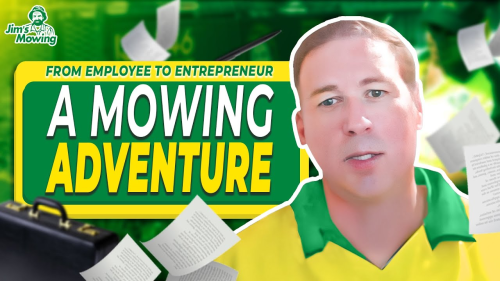
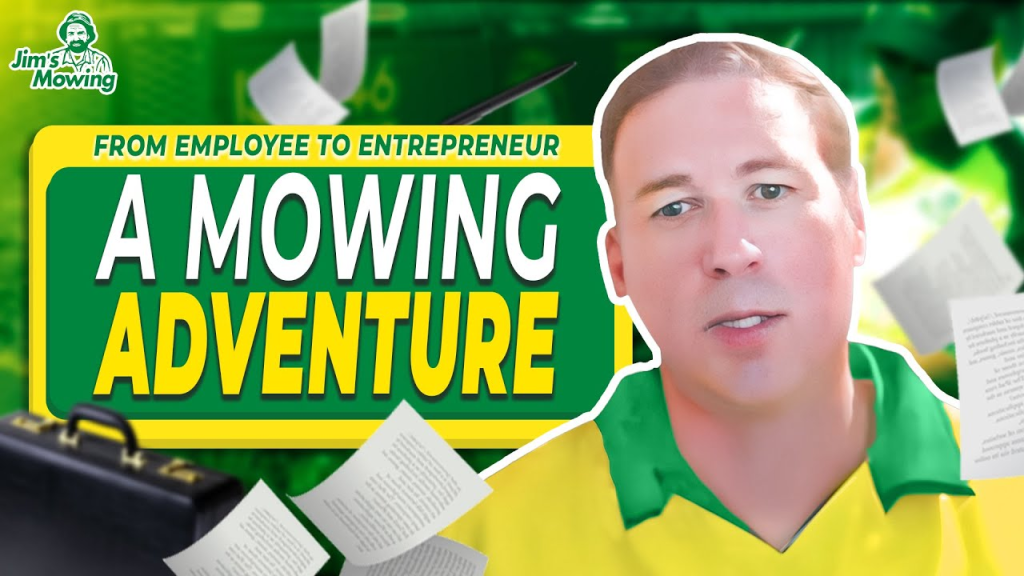
After 20 years in public service, Matt Jones built a Jim’s Mowing franchise in Kingston, Tasmania, to about 80 regular customers and says he now earns roughly 2.5 times his old salary as a sole operator. His story stands out because the growth did not come from hype. It came from training, brand trust, tight route planning, and strong customer service.
In short: Matt Jones left a 20-year public service career, bought an established Jim’s Mowing franchise with about 35 customers, and grew it to roughly 80 regulars in Kingston, Tasmania. Two years in, he says he earns about 2.5 times his previous income and has built a flexible, tightly structured local run as a single operator.
In this More Than Just Mowing Podcast episode, Matt Jones of Jim’s Mowing in Kingston left public service after 20 years, bought into the division with about 35 customers, and built the business to about 80 regulars while earning roughly 2.5 times his old pay. His results were helped by strong training, direct franchise support, and a simple but effective operating system built around local route density, presentation, and preventive equipment care.
A Jim’s Mowing franchise was worth it for Matt Jones because it gave him a higher income, tighter control over his week, and visible results every day. He did not need a big team to get there. This article breaks down how the Kingston operator made that shift work.
What Did Matt Do Before Joining Jim’s Mowing?
Before joining Jim’s Mowing, Matt Jones spent 20 years in the public service. Earlier in life, he had also worked in a factory and in accounting roles after living in Melbourne, but his long-term working life had become office-based and settled.
That stability was exactly why the change mattered. Matt says he had always imagined retiring in the public service, but he reached a point where he simply needed a fresh start.
This is one reason his story matters for people researching a Jim’s Mowing franchise opportunity. He was not already running a mowing business. He was making a real mid-career switch from secure employment into owner-operator work.
Why Did He Choose A Jim’s Mowing Franchise In Kingston, Tasmania?
Matt did not stumble into the decision cold. A big driver was his friendship with Jason, another operator who had already made a similar move out of public service and into Jim’s Mowing. Matt says they spent long drives talking about the business, and those conversations made the opportunity feel practical rather than theoretical.
He also already liked the work itself. He enjoyed gardening, mowing, and the standard of a well-kept lawn. That matters because this was not only about escaping office culture. It was also about moving into work he could take pride in.
Just as important, he did his due diligence. He spoke with Jason, connected with the franchisor, compared options, and made an informed choice. That matches the kind of practical research most prospects should do before they own a franchise with Jim’s Group or read more about how franchising fees work.
What Happened In The First Few Months After Starting?
Matt bought an established business with about 35 customers. That gave him immediate work, but the early advantage was not just the customer base. It was the support wrapped around the handover.
He describes Jim’s training as excellent, says he took extensive notes, and highlights how approachable the trainers were. He also says Jim Penman, John Wildes, and Des Warren made themselves available for questions, which helped settle nerves and smooth the transition.
Before training, Matt also spent a couple of weeks in the field with Jason. On top of that, the outgoing franchisee took him through the run for a couple of weeks as well. By the time his first week officially began, he was not guessing. He already knew the customers, the workflow, and the pace of the job.
That is a strong real-world example of why Jim’s franchisee training matters. In Matt’s case, the early months were not a chaotic jump. They were a staged transition with coaching, observation, and practical handover support.
How Much Can You Earn With A Jim’s Mowing Franchise As A Sole Operator?
Matt says he had a well-paid public service job and now earns about 2.5 times more than he did before.
That result becomes even more notable because he makes the point that he is still a single operator. He has thought about taking someone on, but he is currently very comfortable staying flexible and managing the work himself.
Matt’s story shows that a solo model can outperform a solid salaried job when the run is built properly, customers are regular, and travel time is controlled. For a broader brand context, Jim’s Group also maintains a current explainer on how much you can earn with a Jim’s franchise.
How Did Matt Grow To 80 Regular Customers Near Kingston?
Two years in, Matt says he has built to about 80 regular customers and shaped the run so most of it sits within about five to seven kilometres of home in Kingston. Some customers are weekly, many are fortnightly, and some shift to four-weekly in slower periods.
That local density is not accidental. When he bought the business, some jobs were further away in Hobart and West Hobart. Over time, he deliberately pulled the run back towards Kingston and into his territory.
The best example is one street where a single lead turned into six nearby customers. One neighbour saw his pruning work, another needed a gardener, another already trusted the Jim’s Mowing brand from Launceston, and the cluster grew from there.
For a Kingston, Tasmania operator, that kind of local consolidation does two things. It lifts the effective hourly return, and it protects lifestyle. Matt says he can now work whole days in small local pockets, avoid unnecessary driving, and get home at a decent hour.
What Systems And Tools Made The Biggest Difference?
Matt’s story is useful because the systems are simple, repeatable, and grounded in the day-to-day reality of running a Jim’s Mowing franchise.
Why Route Density Lifted Income Without Hiring Staff
The strongest system in this story is route density. Matt says plainly that you do not make money sitting in the car. By building pockets of work close to home in Kingston, he reduced travel time and improved income without needing staff or extra trailers.
This works because mowing income is not only about what you charge. It is also about how many paid hours you can fit into a day. Fewer dead kilometres means more productive time, better customer responsiveness, and less physical and mental drag between jobs.
How Brand Presentation Turned One Lead Into Six Nearby Jobs
Matt is big on communication and presentation. He keeps a clean jumper and cap in the ute so he can step straight from active work into a quote conversation without looking scruffy. He also keeps business cards on him, not just in the vehicle, because enquiries happen at the supermarket or in the street.
That system sounds small, but it is powerful. In Matt’s case, good pruning work, visible professionalism, and the trust attached to the Jim’s brand snowballed into multiple jobs on one street. It also helped a customer from Launceston trust him immediately because she already associated Jim’s Mowing with reliable long-term care.
Why Weekly Equipment Maintenance Protects Uptime
Matt services his equipment every Saturday morning. He cleans filters, checks brush cutter heads, starts the gear that has not been used recently, repacks the ute, and makes sure everything is ready before the week begins.
That matters because equipment failure costs more than repair money. It costs time, momentum, and customer confidence. Matt’s system reduces preventable downtime and helps him turn up looking organised and professional every week.
How He Set Up The Work To Protect His Body
After moving from office work into physical outdoor work, Matt took body setup seriously. He used a back brace, adjusted mower handle height, added whipper grippers for better upright posture, and received a massage every four weeks as part of maintenance rather than a luxury.
That is a practical technical lesson for anyone considering a Jim’s Mowing franchise. A sustainable operator setup is not only about tools. It is also about posture, fatigue management, and keeping the person running the business fit enough to keep earning.
What Challenges Did He Face After Leaving Office Work?
The first obvious challenge was the leap itself. Matt says he never expected to leave public service, which shows how significant the decision was.
The second challenge was physical adaptation. He had spent years in office work, so he had to adjust to long days on the tools. Instead of ignoring that problem, he built systems around it.
The third challenge was shaping the business instead of letting the business shape him. Early on, some of the run was further away in Hobart. Over time, he corrected that by bringing more of the client base back into Kingston and nearby pockets where the work became more efficient and enjoyable.
Is A Jim’s Mowing Franchise Worth It For Career Changers?
For Matt Jones, the answer is clearly yes. He says it is the best move he has ever made, and the reasons are not just financial.
He talks about earning more, being his own boss, having flexibility in bad weather, and getting satisfaction from visible end results. He also talks about helping people, including older customers who rely on the service for more than simple yard maintenance.
That combination matters. A Jim’s Mowing franchise gave Matt a better income, but it also gave him a better relationship with his own work. In Kingston and the broader Hobart area, that has translated into a business that feels manageable, local, and worth doing long-term.
Standard Operator Vs Jim’s Professional
| Feature | Standard Operator | Jim’s Professional |
| Training | Often self-taught or informal | Formal training plus access to experienced support people, according to Matt’s experience |
| Leads | Usually self-generated only | Brand enquiries plus local referrals amplified by visible branding and trust |
| Systems | Varies heavily by individual | Structured habits around route density, presentation, communication, and preventive maintenance |
| Branding | Reputation must be built from scratch | Recognisable Jim’s Mowing uniform and brand credibility helped Matt win trust faster |
| Income Consistency | Depends heavily on patchy marketing and travel efficiency | Matt built about 80 regular customers and says he now earns 2.5 times his previous salary as a sole operator |
“I’m a sole operator, I’m earning more than I was before, and I’ve built a business that works around my life.”
— Matt Jones, Jim’s Mowing franchisee, Kingston, Tasmania
Frequently Asked Questions
Matt now earns about 2.5 times more than he did in a well-paid public service job.
Yes. Matt specifically says he is a single operator and still achieves a high income and flexible lifestyle. He has considered hiring, but right now, he prefers the control and simplicity of staying solo.
Matt’s growth came from a mix of an established customer base, brand leads, neighbour referrals, visible work quality, and strong presentation. One lead alone turned into six jobs on one street.
Matt says the training was fantastic and credits multiple support layers, including trainers, Jim himself, his franchisor, Jason, and the outgoing owner he bought from. His first week felt smooth because he was prepared before he officially started.
For Matt, yes. He moved from 20 years in office-based public service into outdoor owner-operator work and says the change improved his income, flexibility, and day-to-day satisfaction.
Key Takeaways
- Matt Jones left 20 years in public service and bought a Jim’s Mowing franchise with about 35 customers.
- In roughly two years, he grew the run to about 80 regular customers around Kingston, Tasmania.
- He says he now earns about 2.5 times his former salary while staying a sole operator.
- The biggest operational advantage was not a fancy app. It was building a tight local run that reduced travel and increased productive hours.
- Brand trust, visible presentation, and consistent communication helped turn one lead into multiple nearby clients.
Your Next Step With Jim’s Mowing Starts Here
Book A Local Jim’s Mowing Professional
If you want outdoor work handled by a local operator who communicates clearly, presents professionally, and works to a consistent standard, use a Jim’s Mowing professional. Matt Jones’s story shows why local trust matters, especially when the operator is backed by brand accountability and long-term customer goodwill.
Request your free quote from Jim’s Mowing today.
Explore The Jim’s Mowing Franchise Opportunity
Matt Jones’s result shows what can happen when a career changer combines effort with a proven system.
Learn more about joining Jim’s Mowing at jims.net or call 131 546 today.