Reticulation Repairs in WA: Why a Perth Lawn Dies Without Retic
Lawn advice written for the east coast does not travel well to Western Australia. Different soil, different rainfall, different watering rules, and one piece of infrastructure that the rest of the country treats as optional.
In WA, reticulation is not a nice-to-have, and retic repairs are a normal part of WA lawn care. It is the thing keeping the lawn alive.
“We have this debate with the east coast and the west coast all the time. If you don’t have retic or irrigation on lawns over here, they die. The last rain we had here was coming up eight weeks ago. That was the last significant rain we had in Perth. So everything’s got retic on it.”
— Peter Rogers, Jim’s Mowing regional franchisor for WA, on the Jim’s Mowing podcast
Eight weeks with no significant rain is not a drought event in Perth. It is a normal stretch. Which is why a system that quietly stops working takes a lawn with it.
What Goes Wrong with Reticulation Systems
Most reticulation repairs in Perth come back to a handful of predictable faults, and none of them announce themselves.
Blocked Sprinkler Heads
Sprinkler repairs in Perth most often start here. Sand, grit and mineral build-up restrict or block the outlet. The head still pops up, so from the kerb everything looks like it is running.
Broken or cracked pipes. Root movement, ground shift, or a shovel. Sometimes the loss is visible as a wet patch, often it is not.
Controller Problems
A dead backup battery after a power outage, a program wiped, a start time reset, a station accidentally switched off. The most common cause of a suddenly thirsty lawn is a controller that is no longer doing what you think it is doing.
Poor Coverage
Heads tilted out of alignment, blocked by a shrub that has grown, or spaced so they no longer overlap properly. The system works, it just does not reach everywhere.
Pressure problems. Too many heads on one station means none of them throw properly.
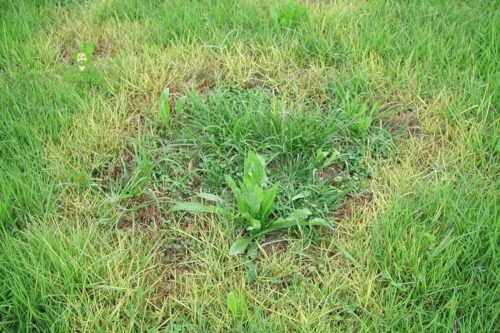
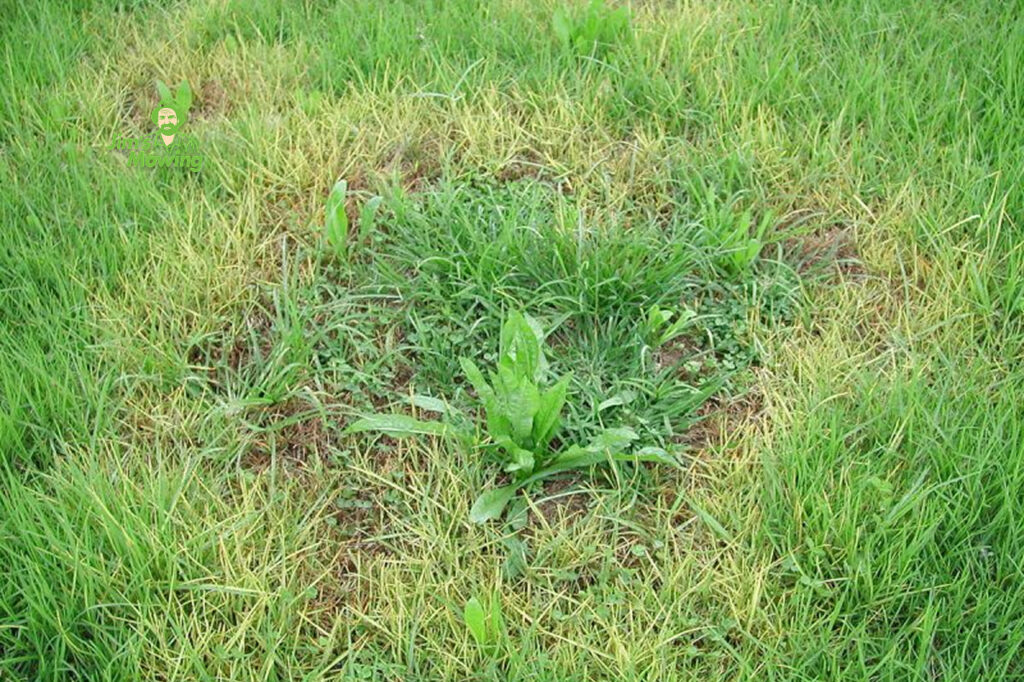
The First Sign Is a Dead Patch
The useful thing about retic faults is that the lawn tells you before the system does.
“You do a lot of sprinkler repairs, a lot of controller programs, broken pipes, blocked sprinklers. You can find out pretty quickly if a sprinkler’s blocked because you’ll start to have a dead patch on the lawn.”
— Peter Rogers, Jim’s Mowing regional franchisor for WA, on the Jim’s Mowing podcast
So a dry or dying patch in an otherwise reasonable lawn is a coverage question before it is a lawn question. Before you reach for fertiliser or assume disease, run the system and watch it.
That is genuinely worth doing every few months. Turn on each station in turn, walk the yard, and look at whether every head is popping up, throwing properly, and reaching the next one. Ten minutes will find most faults.
Why WA Lawns Are Managed Differently
Two things surprise people who have moved west.
Lawns are cut shorter. WA franchisees typically cut to around 15 to 20 millimetres. In Victoria, 20 millimetres is considered very short, and mowing height by grass type explains why that matters, with about 25 being a common average. Cylinder mowers are also more common in WA than on the east coast.
Mulch goes on thinner. In WA, garden beds are typically mulched to about 50 to 60 millimetres, against roughly 100 millimetres in Victoria. That is not a shortcut. It is because of retic.
“If you go mulch at 100 mil over here, the water doesn’t get to the soil.”
— Peter Rogers, Jim’s Mowing regional franchisor for WA, on the Jim’s Mowing podcast
Retic delivers a measured amount of water in a short window. A thick mulch layer absorbs it before it reaches the root zone, so the bed looks watered and the plants stay thirsty. Thinner mulch lets that water through.
If you have moved from the eastern states and mulched at the depth you always used, that is worth knowing.
Why WA Watering Rules Make Faults Worse
WA has permanent water restrictions with set watering days, and sprinkler bans over the cooler months in many areas.
That narrow window is exactly why a fault matters so much. When you only get two watering days a week, losing one station to a blockage is not a minor inefficiency. It is half that area’s water gone, and there is no rain coming to make up for it.
Checking the system before the ban period ends is far more useful than discovering the fault in January.
What to Check Yourself, and when to Call Someone
Worth doing yourself: run each station and watch it, clear obvious debris from heads, straighten heads that have been knocked, check the controller has the right program and a working backup battery, and trim back plants blocking the spray.
Worth handing over: broken pipes underground, pressure and coverage problems that need heads moved or added, valve and solenoid faults, and controller reprogramming for a system you did not install.
Not every operator does retic work, and the honest ones will tell you so. As Peter puts it, the good franchisees know what they do not want to do as well as what they do. Where a WA franchisee does not take on retic, they will usually know someone in the local network who does.
Dry patches appearing while everything looks like it is running? Your local Jim’s Mowing team in WA can check your retic, find the fault and sort the lawn out. Call 131 546 for a free quote or book online.