Whether you’re a beginner hedge trimmer or you’re getting ready to trim up a masterpiece, having the right tools is the key to success. But how do you choose what to use? Or if you should even use a trimmer at all?
While you can trim your hedges with hand-held pruners, a hedge trimmer can complete the job with greater efficiency and provide a more even and professional result. There are so many hedge trimmers available, so stick with us while we explain the different types of hedge trimmers, and how to choose the best hedge trimmer for your specific garden needs.
Types of hedge trimmers
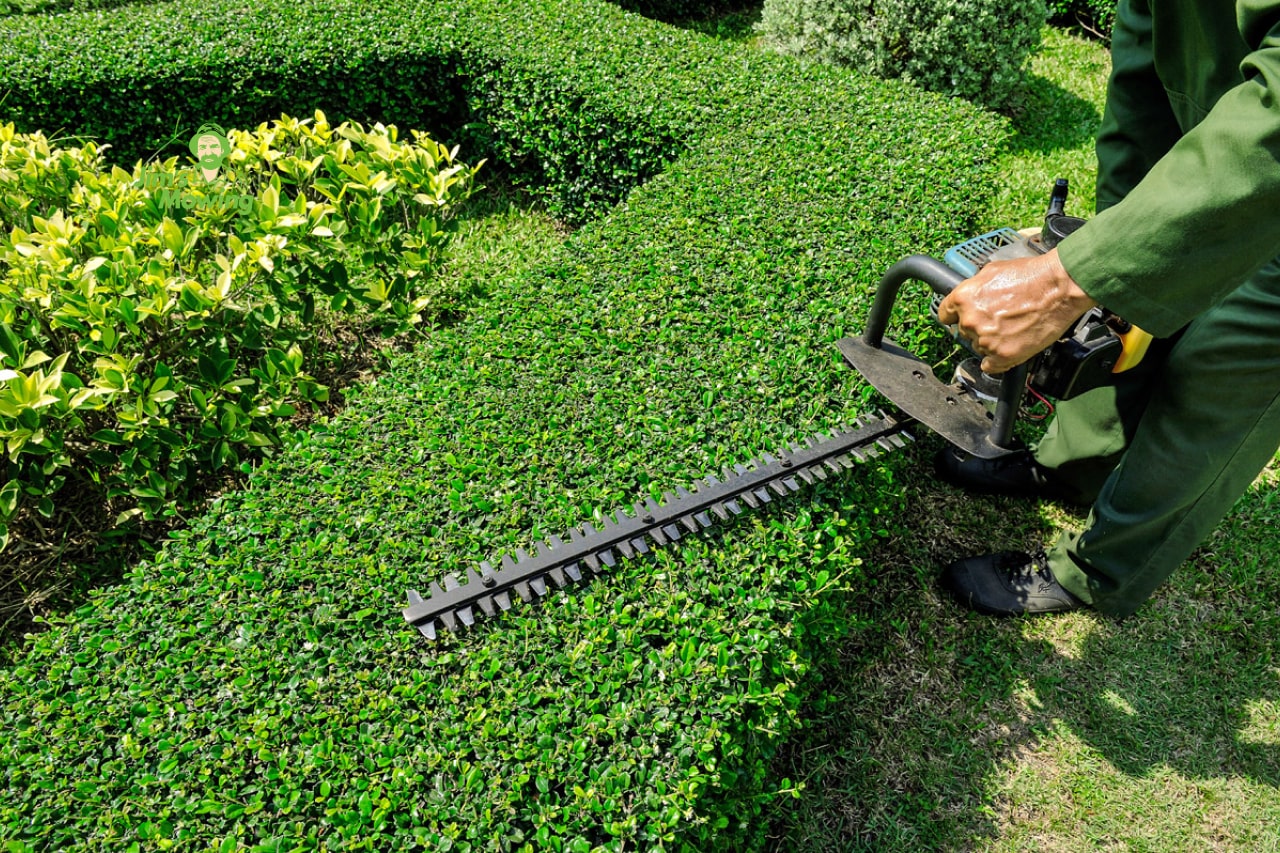
The different types of hedge trimmers tend to fall into three main categories: electric, battery, and petrol-powered. Each of these categories have their own advantages and disadvantages, and come in at different price points, too.
Electric
Electric hedge trimmers tend to be one of the most popular choices of trimmer, especially for those purchasing one for the first time. They’re lightweight, easy to use, and affordable. Electric trimmers also have the advantage of being easy to start and relatively quiet compared to petrol-powered alternatives, although they lack some of the power that petrol hedge trimmers offer. Since they plug into a power outlet, you might need a long extension cord to reach where you need to go depending on the size of your yard, which is something to keep in mind.
Battery
A battery-powered hedge trimmer is similar to an electric one, but with the added convenience of being cordless. They are lightweight and are easy to use—all you need to do is make sure it’s well-charged, and keep a spare battery just in case. You may also find that, similar to the electric hedge trimmers, battery-powered trimmers can lack the greater power needed to cut through heavy foliage that a petrol hedge trimmer would manage with ease. If you do use your battery-powered trimmers for these tough parts, it can be harder on the machine, causing the battery to falter and shortening the trimmer’s overall lifespan.
Petrol
Petrol-powered hedge trimmers are highly-powered, making them great for professionals or those who need to cut through thick branches and difficult hedges. On the downside, petrol hedge trimmers can be heavy and harder to use than the other options. They also emit fumes while operating, so using them calls for appropriate protective gear like eye protection and a respirator.
Choosing the best hedge trimmer for you
When it comes to choosing the best hedge trimmer, the choice really depends on your specific needs. Here are a few factors to consider before purchasing a hedge trimmer:
Level of expertise
Having the most powerful and slick hedge trimmer on the market won’t mean much if you don’t know how to cut your hedges properly. The level of your hedge trimmer expertise will play a key role in deciding which trimmer you choose to use. A corded electric hedge trimmer is ideal for those starting out as they’re easy to handle, lightweight, and less powerful than a petrol trimmer.
We recommend starting out on a beginner-friendly trimmer before upgrading to a more powerful one when you feel confident. Otherwise, you may end up with a butchered bush and a pretty serious risk of injury.
Cost
The price of a hedge trimmer tends to be a significant deciding factor for the majority of gardeners. A corded electric trimmer will be at the lower end of the price range, while a petrol trimmer will likely be the most expensive option. A battery trimmer can be a good mid-level priced option, but keep in mind that you may need to purchase multiple batteries and charging equipment as well. A petrol trimmer also has the added expense of needing regular petrol. It’s also important to note that you get what you pay for—a cheaper trimmer may burn out quicker and will likely struggle on thicker bushes.
Weight
The weight of your hedge trimmer will influence how easy it is to use. As petrol hedge trimmers tend to be heavier than their electric counterparts, it can feel more labour-intensive to use. This can be problematic if you’re cutting a lot of hedges and need to hold your trimmer up for extended periods of time. A lighter weight hedge trimmer, like a battery trimmer, will be easier to manoeuvre and less dangerous to use at heights.
Blade type & length
Hedge trimmers come with different lengths and types of blades. Longer blades are great for ensuring a smooth and even trim, but can be tough to manage if you are a beginner or working in tighter spaces. For most hedges, a shorter blade (around 18 inches) is best, but if you’re working with particularly large hedges, then a blade of 20 inches or more would be better.
Blade types differ depending on the gap between the blade teeth, and whether the blade is double-sided. Commercial hedge trimmers will likely have blade gaps of an inch or bigger, but if you’re using your blade for general domestic gardening, a blade gap of around half an inch will suffice. If you’re newer to hedge trimming, opt for a single-sided blade, as you’ll find it safer and easier to manoeuvre. If you’re confident in your hedge trimming experience, a double-sided blade is a great option to make your trimming much more efficient.
Get Expert Advice
If you’re still unsure about which trimmer is suitable for your hedges, then it’s best to ask a hedge trimming specialist! At Jim’s Mowing, we’re well-versed in all things hedge, garden, and mowing-related so we can advise on which trimmer is the right one for you. Get in touch with us to chat more about hedge trimming, or to learn more about our professional hedge trimming and pruning services.