Every great garden starts with a solid foundation. Before you get carried away with exotic plant choices or fancy garden features, it’s important to nail the basics. After all, even the most well-equipped gardener can run into trouble without a good grounding in the fundamentals.
Building a garden is a bit like growing a plant—it takes time, attention, and the right environment to bloom. Whether you’re just starting out or already have some experience under your belt, these tried-and-true gardening tips from Jim’s Mowing will help you grow a garden you can be proud of.
Before you Start
1) Test your soil
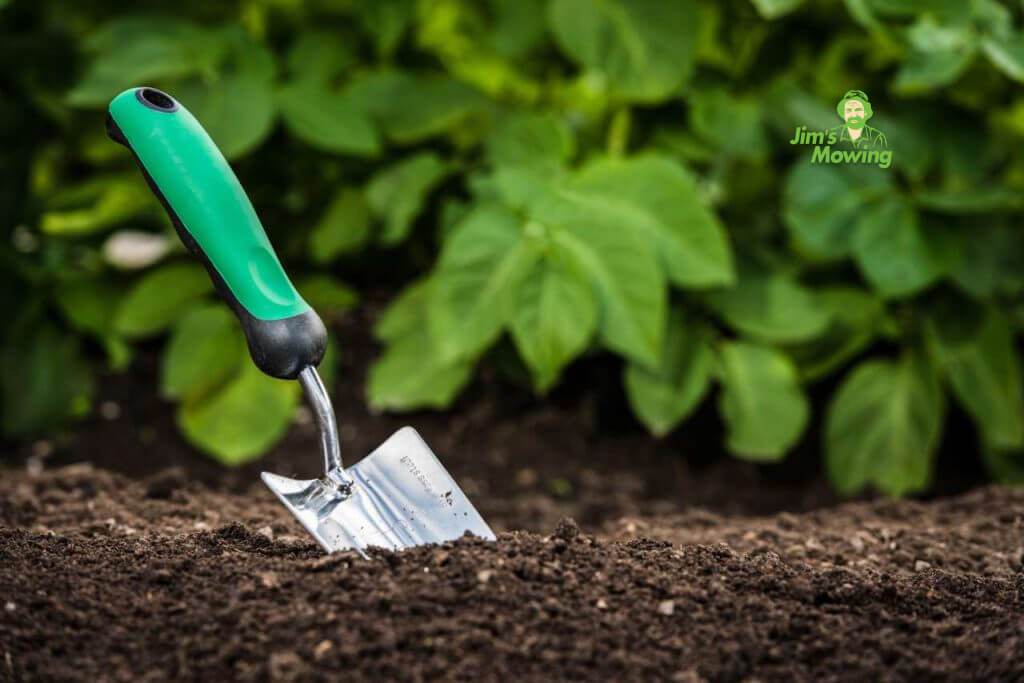
 Great gardens grow from the ground up—literally. Knowing what kind of soil you’re working with is crucial. The type, quality, and pH level of your soil all impact what plants will grow well in your garden, so it’s worth investing in a soil testing kit or getting a professional to assess it for you.
Once you understand your soil’s condition, you can start improving it by adding compost, manure, or other organic matter. Well-prepared soil should feel light and crumbly, will drain easily, and allow roots to establish deeply.
2) Assess your space
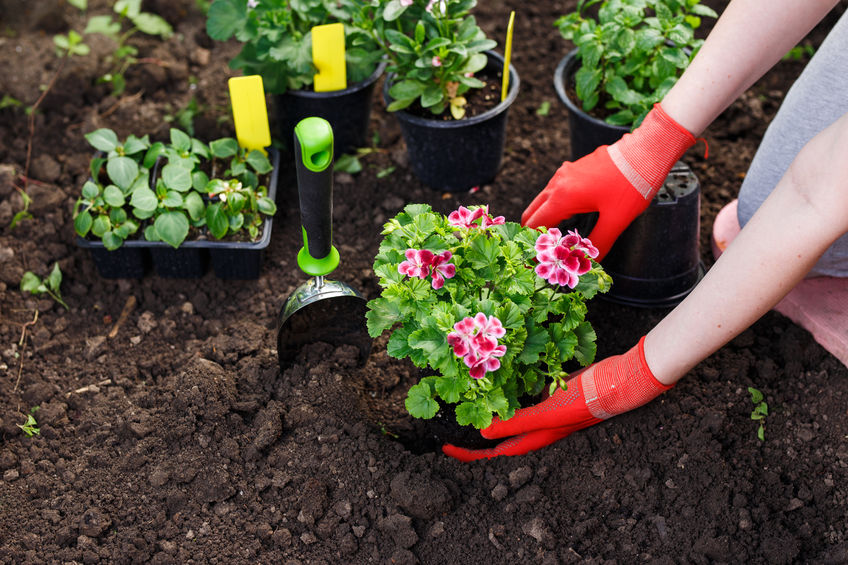 Before buying any plants, get to know your garden. Understanding your local climate and identifying your hardiness zone will narrow down what’s a good choice for your yard. Look at how much sunlight each section of your garden gets throughout the day and note where shade might pose a challenge. Light and temperature can also vary widely within a space, so planning your planting around these details will save you headaches down the track.
3) Choosing the right plants
Once you know your soil and yard, you can pick out plants. Native plants are a safe and smart starting point, especially for beginners, as they’re already adapted to local conditions, which means they’ll typically be low-maintenance. Plus, they’re great for local wildlife, attracting helpful pollinators like bees and butterflies.
If you do want to branch out into more exotic species, just make sure they’re positioned in the best spot you have for them!
Getting Stuck In
4) Wait out the rain
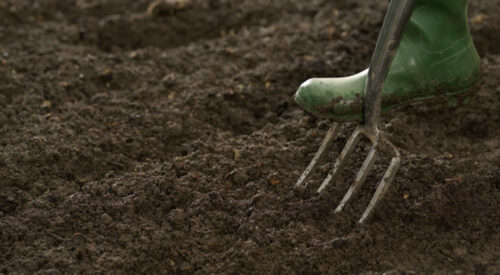
Timing is everything in gardening, and sometimes that means waiting for the weather to cooperate. Avoid working in your garden when the soil is wet—digging in wet conditions can compact the earth, which damages soil structure and makes it harder for roots to grow. Wet ground can also be slippery and hazardous for you to work on. When the weather clears and the ground dries a little, you’ll get better results and a safer gardening experience.
5) Soil preparation
Once you’ve tested and improved your soil, give it a bit of time to rest before planting. Prepping your beds about a week in advance allows any added organic matter like compost or manure to settle in, reducing the risk of harming sensitive new shoots. Where possible, choose organic options over synthetic fertilisers.
Mulching is another soil prep step you shouldn’t skip. It keeps the earth moist, regulates temperature, and discourages weed growth. For an eco-friendly option, you can even use grass clippings.
6) Make it easy
Starting with seedlings or young plants instead of seeds can make gardening a whole lot easier, especially if you’re new to it. While growing from seed can be rewarding, it’s also time-consuming and sometimes frustrating if germination doesn’t go as planned. There’s no shame in giving yourself a head start with already-established plants. It helps simplify your garden setup and boosts your confidence early on.
After Planting
7) Water regularly
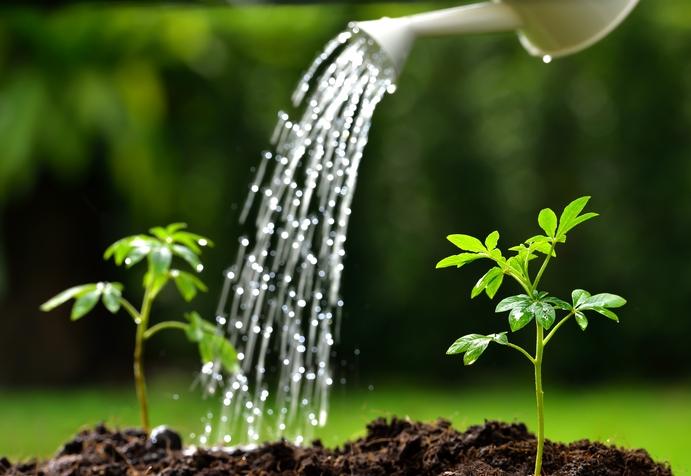 All plants need water to survive, but how and when you water makes a big difference. Setting a consistent watering routine will keep your garden healthy and happy. Most plants benefit from deep watering (watering that gets down to the root, not just the leaves and topsoil) every week to ten days, but you should always check the specific needs of each plant—this info is usually included on the tag or label that comes with them.
8) Tackle weeds and pests
The better your garden grows, the more attention it attracts, not just from neighbours, but from weeds and pests too. These unwanted visitors thrive in rich, healthy soil, making dealing with them a constant part of the gardening journey.
Australia’s most common garden weeds include bindii, clover, nutgrass, and dandelions. They’re best dealt with early, so pull them out as soon as you spot them, and be sure to get the entire root system to prevent regrowth. As for pests, aphids, slugs, snails, and lawn beetles are some of the usual suspects, and can cause serious damage if left unchecked.
A few simple DIY methods can also help with pest control. For example, placing shallow saucers of beer in your garden can attract and trap slugs and snails. Spraying a mixture of crushed tomato leaves or garlic onto plant stems and leaves can deter aphids. And for more serious infestations, your local gardening store will have targeted pest control products available.
The same rules apply with pests – prevent and early action are key. Although they are small, caterpillar worms, beetles, slugs, and aphids can easily and quickly destroy your precious plants. However, make sure you are only treating the insects you don’t want in your garden. Some simple DIY pest control tips include placing saucers of beer around as bait for slugs and snails and applying crushed tomato leaf or garlic spray on stems and leaves to control aphids. You can also purchase specialised pest control products from gardening or hardware stores.
9) Perform regular maintenance
A garden isn’t a “set and forget” kind of project—it needs ongoing care to look its best. Regular maintenance keeps your plants healthy and your outdoor space tidy. That includes topping up mulch, repotting plants when they outgrow their containers, and pruning to control shape and encourage new growth.
Even simple techniques like pinch pruning (removing just a few centimetres of new growth) can make a big difference in shaping a plant’s structure and improving its overall health. Set yourself a reminder for a monthly garden check-in, and you’ll stay ahead of most issues before they become problems.
Want More Gardening Help
No matter how green your thumb is, following the right techniques and making smart gardening choices can help transform your outdoor space.
We know that not everyone has the time, tools, or experience to maintain the garden they want. That’s where Jim’s Mowing comes in. Our team offers expert gardening services tailored to your space—whether it’s a once-off clean-up or regular ongoing maintenance. From soil health, mowing, and landscaping to commercial gardening services, we’ll help your garden bloom.
Call Jim’s Mowing today or get a free, no-obligation quote online.