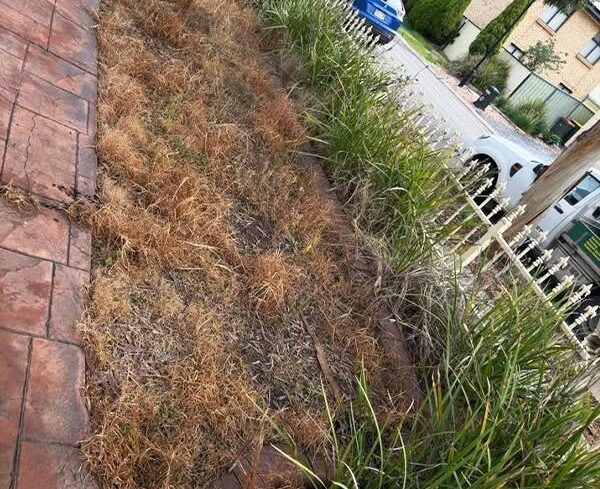
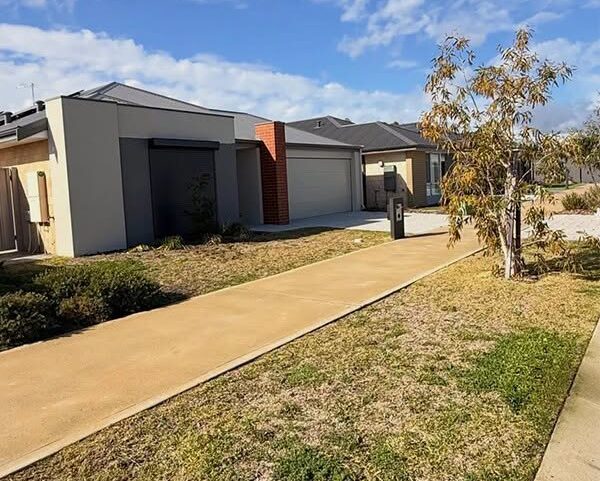
Living in Australia means dealing with unpredictable weather, and let’s face it, drought is a regular part of life in many areas. When water restrictions kick in and the rain decides to take an extended holiday, your lawn can quickly turn from green paradise to brown wasteland. But you don’t have to accept a dead lawn as part of the Australian experience.
The secret is choosing grass varieties that can handle tough conditions from the start. True drought-tolerant lawns don’t just survive without water; they maintain their colour, density, and overall health when conditions get tough.
These hardy varieties typically have deep root systems that can tap into moisture well below the surface, lower water requirements overall, and the ability to bounce back quickly once conditions improve.
If you’re in a drought-prone area or just want a lawn that doesn’t demand constant attention with the hose, here are the best options for Australian conditions:
Buffalo Grass
Buffalo grass is the champion of Australian backyards for good reason. Varieties like Sir Walter have been specifically bred for our harsh conditions and excel in drought situations. Once established, buffalo grass can survive on very little water thanks to its efficient root system and natural drought adaptation.
The beauty of buffalo is that it maintains its colour longer than most other varieties when water is scarce. It also recovers quickly once regular watering resumes, making it perfect for areas with seasonal water restrictions. Buffalo handles moderate foot traffic well and requires less maintenance than many alternatives.
The main drawback is that buffalo can be slow to establish initially and doesn’t handle heavy shade as well as some other options. But in full to partial sun with minimal water, it’s hard to beat.
Best for: General family use, water-conscious gardeners, seasonal drought areas.
Water requirements: Low to moderate once established.
Sun requirements: 4-6 hours daily.
Establishment time: 6-12 weeks.
Kikuyu
If you need a lawn that’s absolutely bulletproof in drought conditions, kikuyu is your answer. This grass has earned its reputation as a strong survivor, thriving in harsh Australian conditions where other varieties fail. Farmers use kikuyu for cattle paddocks because it can handle both drought and heavy traffic so well.
Kikuyu spreads aggressively through both runners and underground rhizomes, which means it can quickly fill in bare patches and repair itself during tough conditions. Once established, it’s incredibly drought-tolerant and can go weeks without water while still maintaining reasonable colour.
Because kikuyu is such a strong grower, it requires regular maintenance to keep it contained. It grows fast and will happily invade garden beds and neighbouring properties if left unchecked. But if you can handle the maintenance, or have a gardening team on speed dial, it’s one of the most resilient options available.
Best for: Extreme drought areas, heavy traffic, low-maintenance situations.
Water requirements: Very low once established.
Sun requirements: 4-8 hours daily.
Establishment time: 4-8 weeks.
Couch Grass
Couch grass varieties, particularly the newer cultivars, offer excellent drought tolerance combined with an attractive appearance. This grass creates a dense, hard-wearing surface that’s been proven on golf courses and sports fields across Australia.
What makes couch special for drought conditions is its ability to go dormant during extreme dry periods and then recover quickly when water returns. The deep root system helps it access moisture that other grasses can’t reach, and its spreading nature means it can repair damaged areas efficiently.
Like kikuyu, couch can be aggressive in its growth, so regular edging and maintenance are essential. But for areas that experience regular drought combined with heavy use, it’s an excellent choice.
Best for: Sports areas, high-traffic zones, seasonal drought regions.
Water requirements: Low to moderate.
Sun requirements: 5-8 hours daily.
Establishment time: 4-6 weeks.
Zoysia
Zoysia is the premium option for drought tolerance, offering fine texture and excellent colour retention with minimal water requirements. This warm-season grass develops an incredibly deep root system that can access water well below the surface, making it one of the most efficient water users available.
Different zoysia varieties offer slightly different characteristics. Empire Zoysia provides good all-round performance, while Nara Native Zoysia is particularly well-suited to Australian conditions. All zoysia varieties are slow-growing, which means less mowing but also slower establishment and repair.
The main consideration with zoysia is the higher upfront cost and slower establishment period. However, once established, it requires less water, fertiliser, and maintenance than most other options, making it cost-effective in the long run.
Best for: Premium drought-tolerant lawn, low-maintenance gardens, water-restricted areas.
Water requirements: Very low once established.
Sun requirements: 4-6 hours daily (some shade tolerance).
Establishment time: 8-16 weeks.
Tall Fescue
For cooler regions of Australia, tall fescue offers excellent drought tolerance in a cool-season grass. This variety has one of the deepest root systems available, often extending 60-90cm below the surface to access moisture that other grasses can’t reach.
Tall fescue maintains its colour well during dry periods and recovers quickly from drought stress. It’s also one of the few cool-season grasses that can handle the heat extremes that parts of Australia experience. The bunch-forming growth habit means it’s less invasive than spreading varieties.
The main limitation is that tall fescue is best suited to cooler regions and may struggle in the intense heat of northern Australia. It’s also coarser in texture than warm-season alternatives.
Best for: Cooler climates, areas with extreme temperature variations, low-water gardens.
Water requirements: Low to moderate.
Sun requirements: 4-6 hours daily (some shade tolerance).
Establishment time: 6-10 weeks
TifTuf
TifTuf represents the cutting edge of drought-tolerant lawn development. This variety was developed over 25 years specifically for harsh conditions and minimal maintenance requirements. It uses up to 38% less water than other bermuda grass varieties while maintaining excellent colour and density.
TifTuf combines drought tolerance with rapid recovery, fine texture, and good shade tolerance. It’s also one of the few grasses that maintains reasonable colour year-round in most Australian climates. The self-repairing nature means less overseeding and patching.
Best for: Premium applications, extreme drought areas, low-maintenance requirements.
Water requirements: Very low.
Sun requirements: 4-6 hours daily (good shade tolerance).
Establishment time: 6-8 weeks.
Tips for Establishing Drought-Tolerant Lawns
Even the most drought-tolerant grass needs proper establishment to develop the deep root systems that make it resilient. Here are the key points:
Soil Preparation: Improve soil with organic matter before installation. Compacted soil prevents deep root development, which defeats the purpose of choosing drought-tolerant varieties.
Initial Watering: All lawns need regular water during establishment. Don’t skimp on watering for the first 6-8 weeks, even with drought-tolerant varieties.
Gradual Water Reduction: Once established, gradually reduce watering frequency while increasing the amount per session. This encourages deep root growth.
Timing Matters: Install drought-tolerant lawns in autumn or early spring when natural rainfall can assist establishment.
Making the Right Choice
Your best drought-tolerant option depends on your specific situation. Buffalo and kikuyu offer the best all-round performance for most Australian conditions. Zoysia and TifTuf provide premium drought tolerance with lower maintenance requirements. Couch offers excellent performance for high-traffic areas, while tall fescue suits cooler regions.
If you’re ready to install a drought-tolerant lawn or need advice on which variety suits your yard, we’re here to help. After all, there’s no point choosing the perfect drought-tolerant grass if it’s not installed properly to develop those crucial deep roots.
Give your local Jim’s Mowing team a call or book online to discuss the best drought-tolerant lawn solution for your property.