
Imagine stepping outside to a vibrant burst of colour, a well-prepared display signalling the arrival of spring. Creating a beautiful spring garden bed isn’t just about choosing colourful flowers; it’s about building the right foundation and planting with purpose. This guide outlines the essential steps to design and plant a garden bed that truly shines.
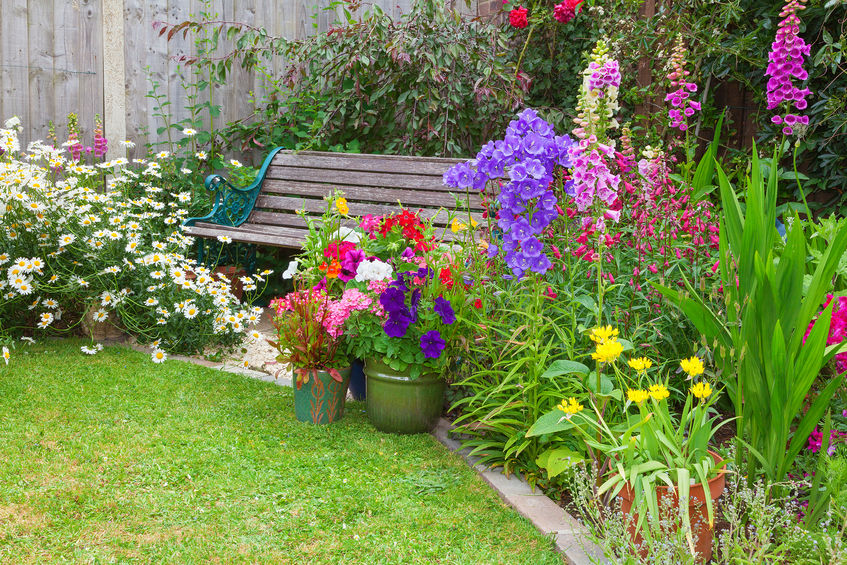
Plan Your Display
Effective planning is key to a successful garden bed design. Before you start digging, envision the spring show you want to create.
Choose Your Spot
Consider the sunlight your chosen garden bed receives. Most spring-flowering annuals and bulbs thrive with at least 6 hours of direct sun daily. Also, think about where your display will be most visible, so it can be seen and enjoyed even more.
Envision the Look
Plan the colours, heights, and textures you want to include. Consider:
- Layered heights: Place taller plants at the back, medium ones in the middle, and shorter plants or groundcovers at the front.
- Colour schemes: Mix complementary colours, use bold contrasts, or stick to soothing monochromatic tones. Whatever your style, have your plans reflect it.
- Bloom times: Select spring plants with varied bloom periods to ensure continuous colour. If everything in there is set to bloom around the same time, you’ll have a much smaller window to enjoy it; instead, spread the blossoming beauty out over the season.
Prepare Your Bed
A properly prepared garden bed is crucial for healthy, thriving plants and a vibrant display. This stage ensures your flowers have the best start.
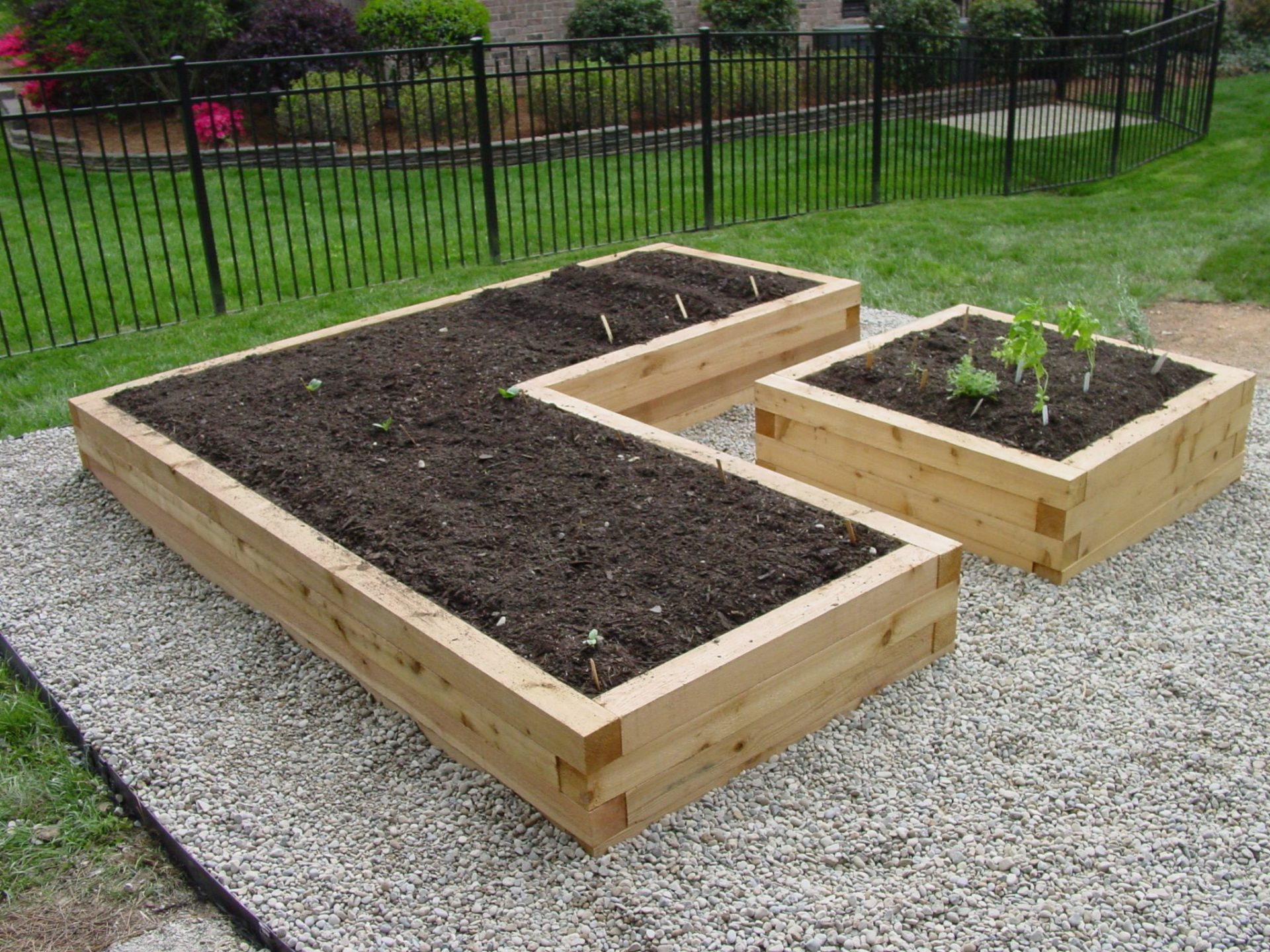
Clear the Space
Begin by removing any existing weeds, winter debris, or spent plants from your garden bed. Be sure to get down to the roots to prevent future weed issues. A clean bed provides ample space for new growth and reduces hiding spots for pests.
Revitalise the Soil
Soil health is fundamental to optimum plant growth, and good drainage and rich nutrients are essential to get your soil in top shape. If your soil is heavy clay, sandy, or depleted from previous plantings, now is the time to give it a boost. Incorporate plenty of organic matter like compost, aged manure, or mushroom compost. This improves soil structure, enhances aeration, and provides a slow-release supply of nutrients. Aim for a soil depth of at least 20-30 cm for most annuals and bulbs.
Plant with Care
With your bed prepared and plants selected, it’s time to bring your vision to life.
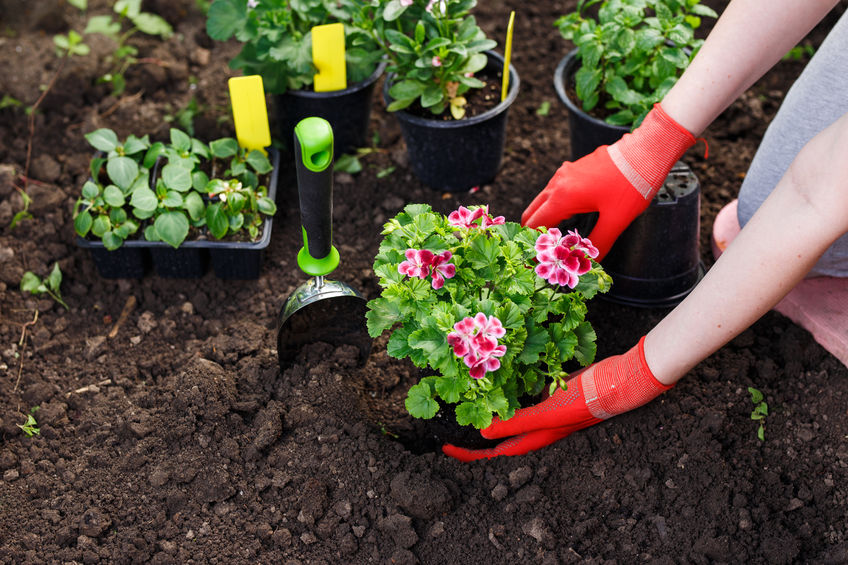
Handle Plants Gently
Whether you’re planting spring-flowering bulbs, seedlings, or established potted plants, handle them carefully. Avoid overly disturbing the root ball, especially for seedlings. If roots are tightly circled together, gently tease them apart so they have room to become established in the soil.
Dig and Place
Dig a hole twice as wide as the plant’s root ball, and deep enough so the top of the root ball is level with the surrounding soil. For bulbs, plant them at the depth recommended on their packaging, with the pointed end facing up. Place each plant or bulb carefully, backfill with soil, and gently firm around the base to remove air pockets.
Proper Spacing
Give your plants adequate room to grow and check their label for recommended spacing, as overcrowding can lead to poor airflow, increased disease risk, and smaller blooms. While the bed might look sparse initially, plants will fill out quickly in spring. Consider their mature size, not just their size at planting.
Water and Mulch
After planting, immediate watering and thoughtful mulching are essential for establishment and ongoing health.
Water Thoroughly
Immediately after planting, water your entire garden bed deeply. This helps settle the soil around the roots and provides initial moisture. Continue to monitor moisture levels closely for the first few weeks, ensuring the soil remains consistently moist but not waterlogged, especially for new plantings.
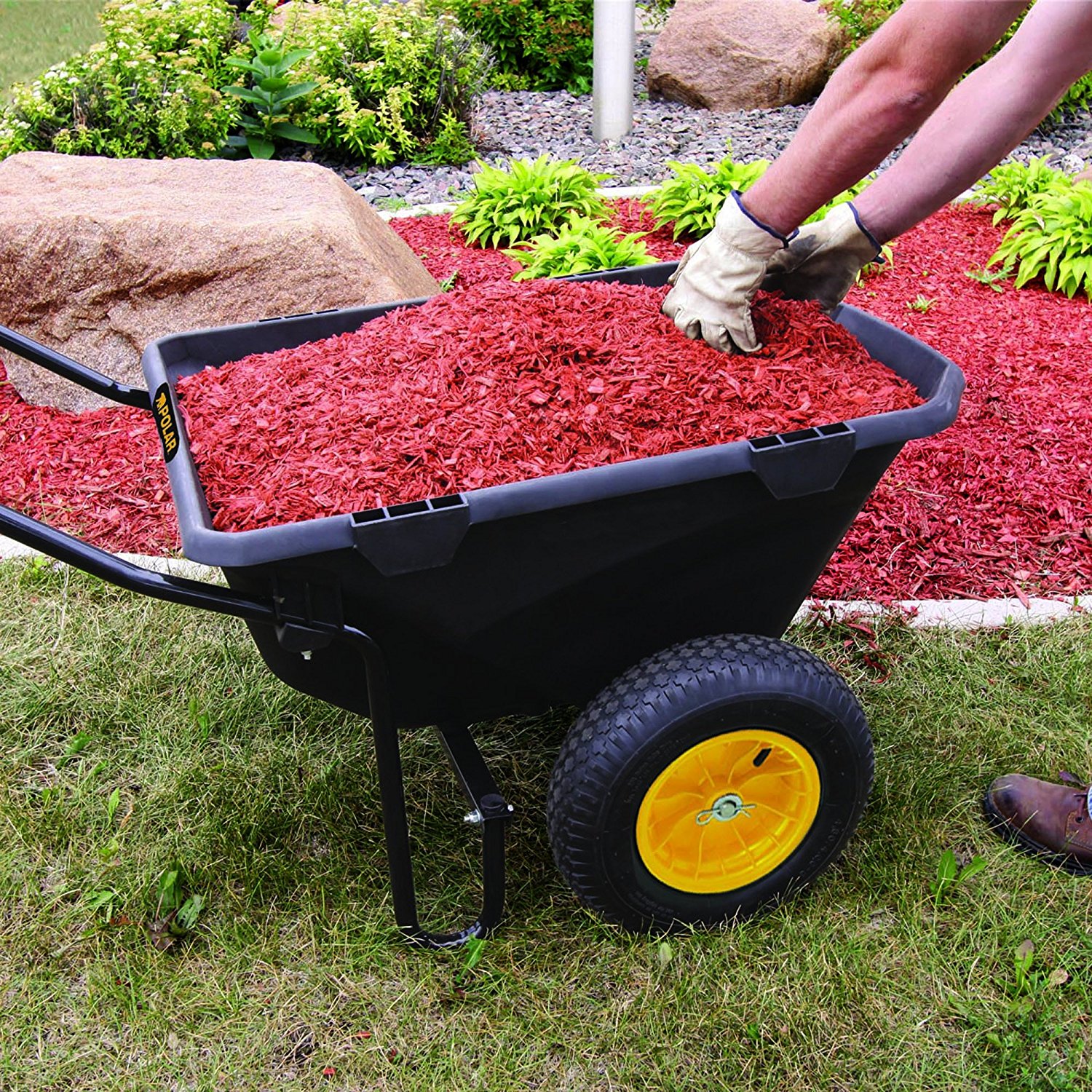
Apply Mulch
A layer of organic mulch (like bark chips, sugarcane, or pea straw) is highly beneficial to new growth. Spread a layer of 5-10 cm over the entire bed, keeping it a few centimetres away from plant stems. Mulch helps to:
- Retain moisture, reducing how often you need to water
- Suppress weeds
- Regulate soil temperature
- Improve soil as it breaks down, adding nutrients
Jim’s Mowing: Your Garden Bed Partner
Creating a stunning spring garden bed display involves planning, effort, and knowing the right techniques. If you’re envisioning a vibrant garden but need assistance with the digging, soil preparation, planting, or ongoing care, your local Jim’s Mowing expert is ready to help.
Contact your local Jim’s Mowing today to start making your dream garden bed a reality, just in time for spring.