
As the cooler months arrive across Australia, many gardeners think it’s time to put their tools away. But winter is actually a crucial period for garden health and preparing for a stunning spring bloom! While the pace might slow down, there’s plenty you can do to ensure your plants thrive through the chill and burst back to life when the warmer weather returns.
Whether you’re in a frosty southern region or a mild northern climate, understanding the right winter gardening strategies can make all the difference. Get ready to learn essential tips to protect your plants, optimise your soil, and discover what hardy varieties you can plant during the colder months.
Prepare Your Garden for the Winter Chill
Winter presents unique challenges for plants, from frost to heavy rains. Proactive preparation is key to minimising damage and ensuring a healthy start to spring.
Protect Plants from Frost and Cold
Know Your Zone: Australia’s diverse climates mean winter conditions vary significantly depending on where in the country you are. In colder southern areas, frost protection is paramount. In warmer northern regions, focus might be more on dry season care.
Cover Up: For sensitive plants, invest in frost cloth, old sheets, or hessian bags. Drape them over plants before frosty nights for added protection and remove them in the morning to allow for air circulation and sunlight.
Potted plants can be brought indoors, or moved on a sheltered veranda or under some other type of cover to protect them from the worst of the cold.
Create Insulation: Water plants deeply in the morning before a frost to moisten the soil, helping it to retain heat better than if it’s left dry, and providing insulation for roots.
Adding a thick layer of mulch, about 5-10cm, around the base of plants also acts as a natural insulator, protecting roots from extreme temperature fluctuations.
Winter Pruning for Health and Growth
For deciduous plants (those that lose their leaves), winter is the ideal time for structural pruning. This includes many roses, fruit trees, and dormant grapevines. When tending to your garden, always prune out any dead, damaged, or diseased branches to prevent the spread of pathogens and direct energy to healthy growth. This is also a perfect opportunity to improve the overall shape of your plant, both for aesthetics and to encourage better air circulation, which can reduce fungal issues.
Frost-tender plants, on the other hand, are better left unpruned until late winter or early spring. If these are pruned too soon before the worst of the frost has passed, they won’t have the overgrowth left to protect them from the elements. If you’re not sure which solution is best for your plant, take a couple of minutes to research the plant species, or ask at your local garden centre.
Optimise Your Soil and Mulch
Winter is a fantastic time to give your soil a boost, too. Replenish mulch layers with organic mulches like bark chips, sugarcane, or straw help suppress weeds, retain soil moisture, regulate soil temperature, and break down to enrich the soil.
If your garden beds are empty or you’re preparing new ones, incorporate plenty of organic matter like compost or well-rotted manure into them now, too. This will improve soil structure, nutrient content, and drainage, setting the stage for robust spring growth.
What to Plant in Your Australian Winter Garden
Don’t let the cold trick you into thinking nothing can grow! Winter is a prime planting season for a surprising variety of vegetables, herbs, and even some stunning flowers, especially depending on your Australian climate zone.
- Cool-Season Veggies: Embrace the deliciousness of brassicas! Think broccoli, cabbage, cauliflower, and kale. Other great options include spinach, silverbeet, broad beans, peas, and root vegetables like carrots, beetroot, and radishes.
- Aromatic Herbs: Many herbs thrive in cooler temperatures. Plant coriander, parsley, chives, thyme, rosemary, and oregano for fresh flavours all winter long.
- Bulbs for Spring: Don’t forget to plant spring-flowering bulbs like daffodils, tulips, freesias, and hyacinths during autumn or early winter. They need that cold stratification period to perform their best and will reward you with a spectacular show when spring arrives.
- Brighten Up Your Garden: Add some cheer to the cooler months with winter-flowering annuals like pansies, violas, primulas, cyclamens, and polyanthus. These can add a vibrant splash of colour to garden beds, borders, and pots.
- Evergreen Charm: For structural interest, winter is a great time to plant hardy evergreens and shrubs that provide foliage and form year-round. Consider camellias (for their beautiful winter blooms), daphne, or proteas.
In colder climates, consider planting in raised garden beds or pots that can be moved to a sheltered spot or covered during severe frosts. In more temperate or tropical zones, your options for winter planting will be even broader.
Essential Winter Garden Maintenance & Pest Control
Beyond planting, consistent maintenance during winter ensures your garden remains healthy and ready to flourish.
Stay on Top of Weeding
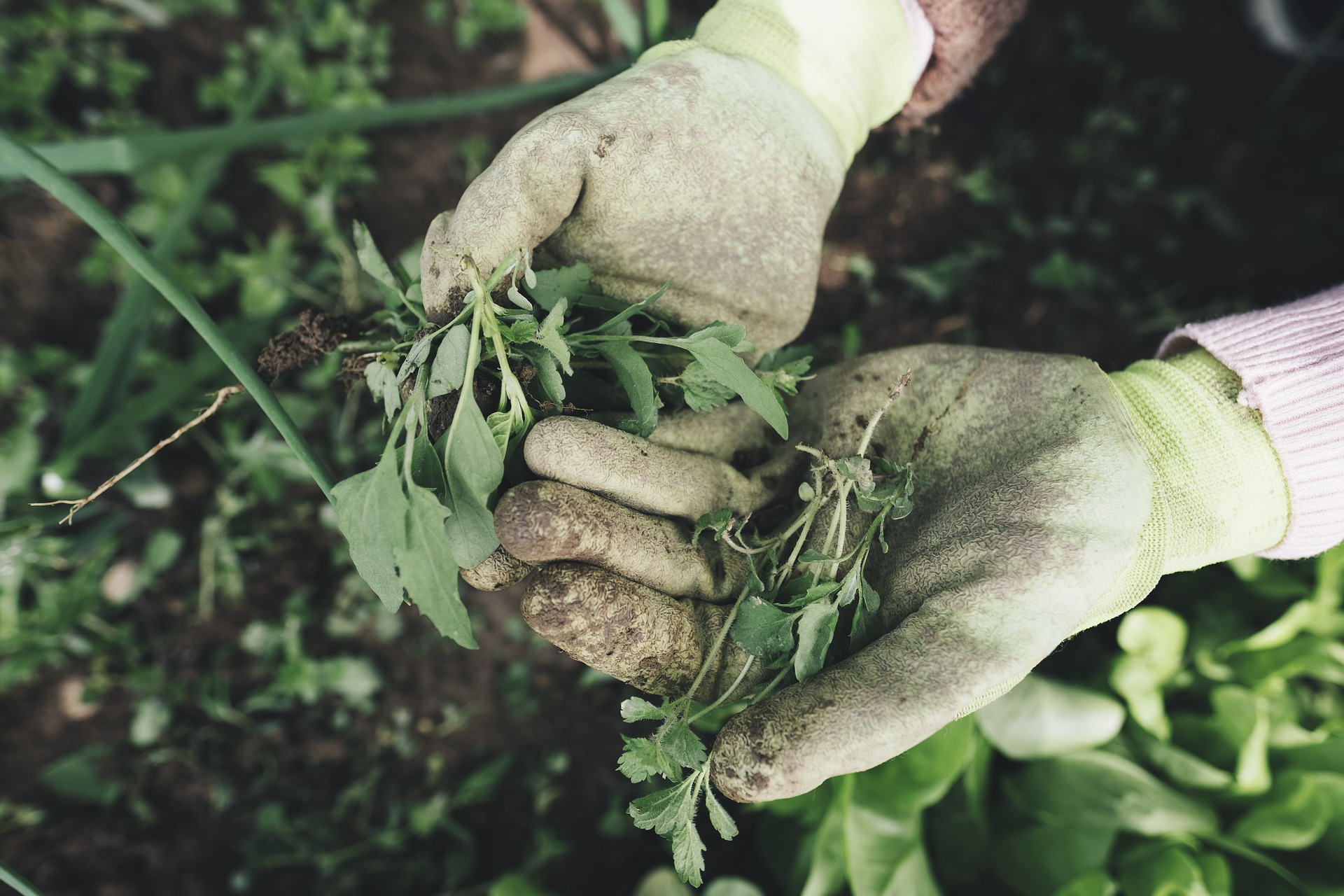
Even in winter, weeds can continue to grow, competing with your desired plants for nutrients and moisture. Regular weeding is crucial to keep weeds at bay. A good layer of mulch, as mentioned earlier, is one of the best deterrents against winter weeds.
Monitor for Pests and Diseases
While many pests are less active in winter, some thrive in cooler conditions. Keep an eye out for snails, slugs, aphids, and certain fungal diseases like powdery mildew, especially on vulnerable plants.
If you do notice any issues, address them early with organic pest control methods where possible, such as hand-picking snails and slugs, or using horticultural oils for aphids. Good airflow from proper pruning can also help prevent fungal issues.
If you’re struggling with persistent pests or diseases and aren’t sure how to tackle them, your local Jim’s Mowing expert can offer advice or integrate solutions into their service.
Let Jim’s Mowing Be Your Winter Gardening Partner
While these tips provide a great foundation, winter gardening can still feel like a challenge, especially if you have a large garden, limited time, or simply want professional results without the effort. That’s where your local Jim’s Mowing team comes in.
Our franchisees live and work in your community, so they understand the specific challenges for your exact area, from the frosty mornings of regional Victoria to the mild winters of coastal Queensland.Confused about where to start, or simply want to enjoy a winter off while making sure your garden gets the best winter care? Contact Jim’s Mowing today, or get a free, no-obligation quote online.