Without Killing It
Repotting your plant is an essential gardening skill that every plant owner should master. While the process may seem simple in theory, repotting larger or pot-bound plants can sometimes be tricky. If done incorrectly, it can stunt your plant’s growth or even cause harm. As experienced gardeners, we’ll walk you through when and how to repot your plant safely, ensuring it thrives in its new home.
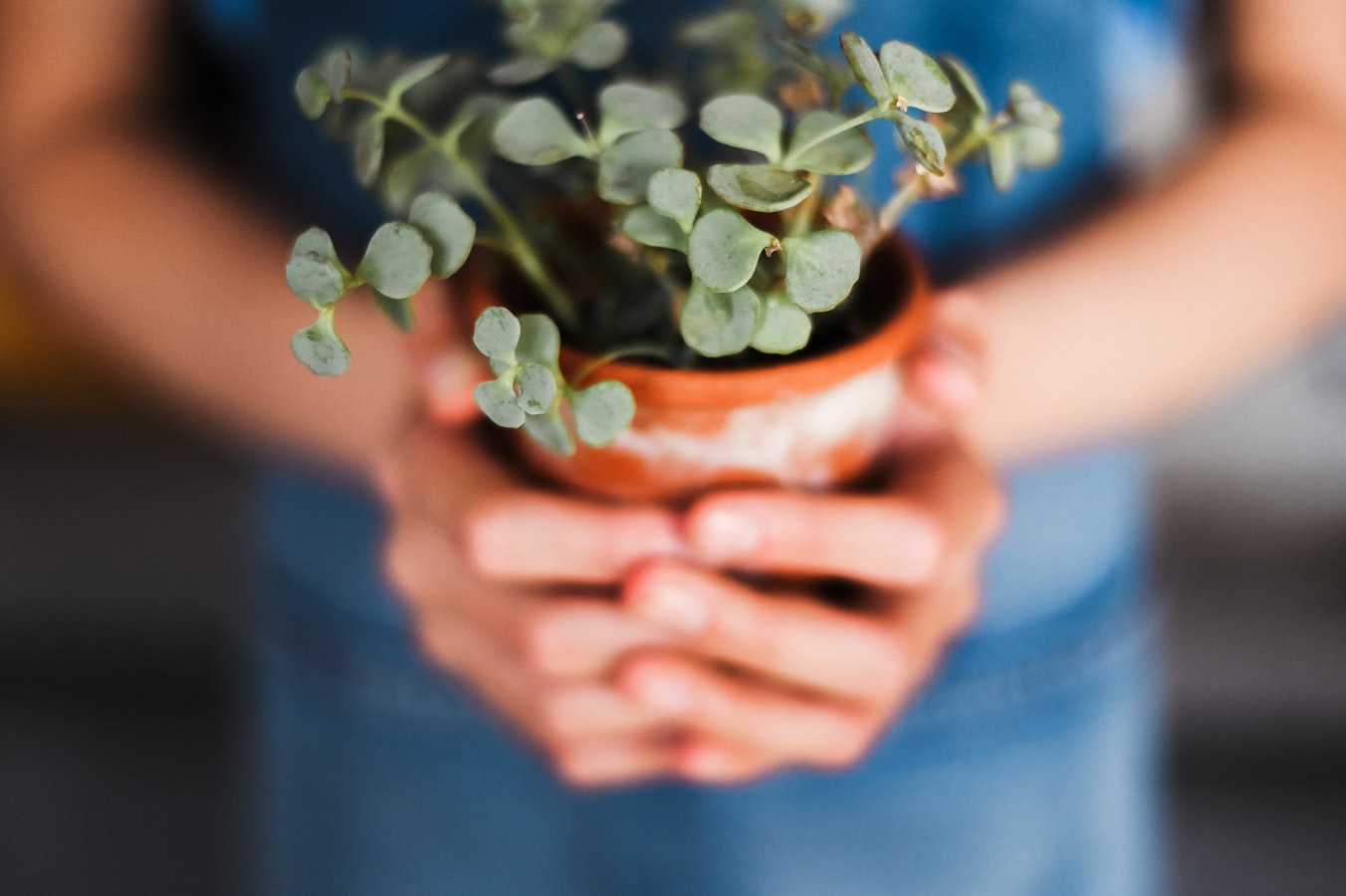
When should you repot a plant?
As a general rule, most plants need repotting every 12-18 months. However, fast-growing plants like the Snake Plant or Syngonium may require repotting more often. Here are some signs that it’s time to repot:
- The plant is outgrowing its pot: If your plant is tipping over, its foliage is too large for the pot, or it looks out of proportion, it’s time for a bigger container.
- Overgrown roots: If you see roots growing out of the drainage hole or emerging from the sides and top, your plant has outgrown its current pot and needs more space.
- Yellowing leaves: Yellow leaves can signal several issues, including overwatering or too much light. However, they can also indicate that your plant needs more room to grow and should be repotted.
Plant repotting is best added to your spring gardening list, as this is when plants are entering their active growing season. Be aware that some plants may be vulnerable just before flowering, so avoid repotting flowering plants during this time if possible.
We recommend always researching the specific needs of your plant before repotting, as some plants require special soil mixes or have unique repotting preferences.
What You’ll Need
- New Pot
- Fresh Potting Soil
- Compost or Fertiliser (optional)
- Gardening Gloves
- Pruning Shears (optional)
- Watering Can
- Tarp or Newspaper
- Small Shovel or Trowel
How Do You Repot a Plant Without Killing it?
Repotting can be stressful for your plant, so it’s essential to follow the right steps. Let’s take a look at how to repot your plant without causing harm:
1. Choose the right pot
Start by selecting a new pot that’s 1-2 sizes larger than the current one. The goal is to give the plant more room for growth but to avoid choosing a pot that’s too large, as this can lead to root rot. You also want to ensure the pot has drainage holes to prevent excess water from accumulating.
2. Prepare the new pot
Before adding your plant, prepare the new pot by adding fresh, nutrient-rich soil. You can also mix in compost or fertiliser to provide your plant with extra nourishment. Be sure to check the soil requirements for your specific plant type—some may need a well-draining mix, while others might prefer more moisture-retentive soil.
To minimise transplant shock, it’s often helpful to incorporate some of the old soil into the new pot. This familiar environment can ease the transition for your plant.
3. Gently remove the plant
Now, carefully remove the plant from its current pot. For plastic pots, gently squeeze the sides to loosen the soil, making it easier for the plant to slide out. If your plant is in a ceramic or terracotta pot, you may need to tilt it slightly, supporting the stem while gently coaxing it out.
Be careful not to damage the stem or roots during this process, and hold the stem near the base, where the roots meet, to avoid separating the plant from its roots. If your plant is large, consider having a friend help with the transfer.
If you notice any overgrown or rotting roots, trim them with sterilised scissors before placing the plant into its new pot.
4. Repot the plant
Once the plant is out of its old pot, place it into the new pot, making sure it sits at the same depth as it did previously. Fill the space around the plant with fresh soil, gently patting it down to secure the roots. Add extra soil on top if necessary, ensuring the roots are fully covered.
After repotting, give your plant a good watering to help settle the soil and ensure the roots have access to moisture.
5. Monitor your plant
Keep a close eye on your plant over the next few days. It’s normal for plants to experience a little transplant shock, but with proper care, they should settle in and begin to grow.
Look out for signs of stress, such as wilting or yellowing leaves. If these symptoms persist, check that your plant has adequate drainage, is in the right light conditions, and is receiving the right amount of water for its needs. Remember that plants need time to adjust to their new environment, so patience is key!
Jim’s Expert Advice
At Jim’s Mowing, our gardeners love to see plants thrive. From indoor plant care to professional landscaping to put your petals in the limelight, we offer an extensive range of services to support you and your garden. Contact Jim’s Mowing today with any questions or queries you have—we’re here to lend a hand!