Zoysia Grass in Australia: Pros, Cons and Whether It Is Worth It
Zoysia grass in Australia sits at the top end of the turf market, and it usually costs noticeably more per square metre than buffalo, couch or kikuyu.
So the reasonable question is whether it is worth it. The honest answer is that it depends heavily on your block, and for some properties it genuinely is while for others it is money spent on the wrong thing.
What Zoysia Grass Actually Is
Zoysia is a warm-season grass, like buffalo, couch and kikuyu. It grows actively in the warm months and slows or browns off in winter, particularly in cooler regions.
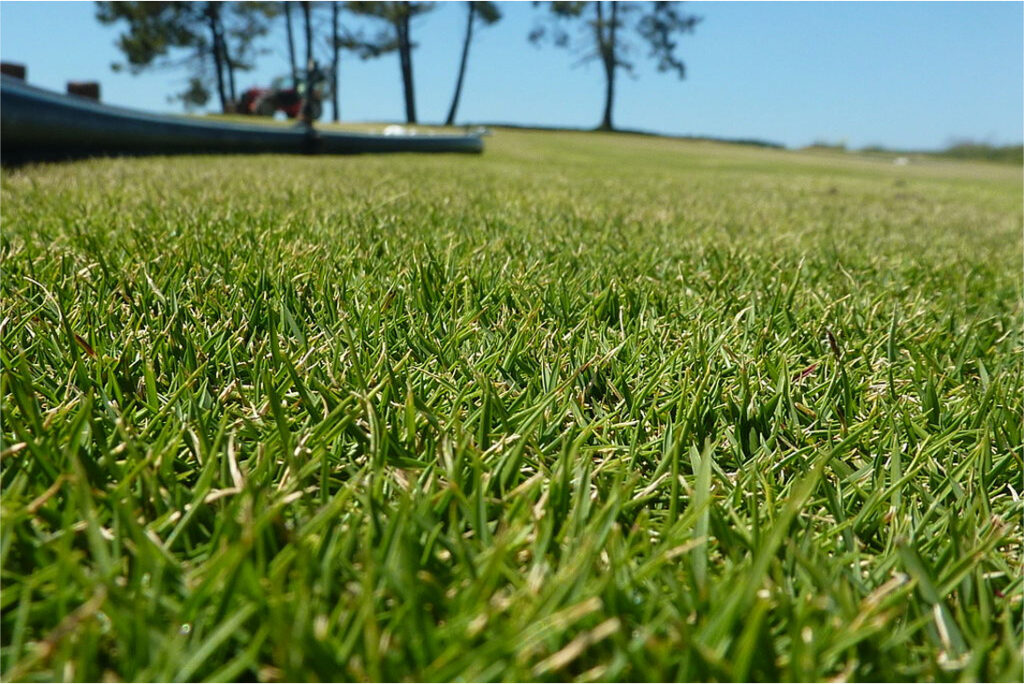
What sets it apart is density and growth habit. Zoysia produces a very fine, tight, carpet-like turf that grows more slowly and more laterally than the alternatives. It has a distinctive dense feel underfoot that people either love immediately or find slightly stiff.
Several varieties are sold here under different trade names, including Empire zoysia and Sir Grange zoysia, with differences in leaf width, shade tolerance and winter colour.
What Zoysia Is Genuinely Good At
Shade tolerance. This is the big one. Zoysia handles shade better than couch and considerably better than kikuyu, which puts it alongside the other grass species for shady gardens. If you have a yard that is part-shaded by trees, fences or the house for a good chunk of the day, zoysia is one of the few warm-season options that will hold on rather than thinning out.
Drought tolerance. Established zoysia has deep roots and copes well with dry periods. It will go dormant and brown off under real stress rather than dying, which puts it among the more drought tolerant lawn varieties.
Density and weed resistance. Because it grows so tightly, a healthy zoysia lawn leaves very little room for weeds to establish. Over years this is a real maintenance saving, and it is one of the more underrated arguments for it.
Low mowing frequency. It grows slowly. In the warm months you will mow it less often than kikuyu, which is aggressive, or couch, which grows quickly in heat.
Low nutrient demand. It generally needs less feeding than couch or kikuyu to look good.
Where Zoysia Falls Down
Establishment speed. This is the main drawback and it is significant. Zoysia is slow to knit together and slow to repair. A section damaged by a trailer, a dog or a bad patch of shade will take considerably longer to fill in than couch or kikuyu would.
Wear recovery. It handles moderate foot traffic well, but if your lawn is a cricket pitch, a dog run and a trampoline base all summer, the slow repair rate works against you. A grass that recovers fast is often more practical than a grass that resists damage.
Winter colour. In cooler parts of the country zoysia browns off in winter, and it can be slower to green up in spring than some alternatives.
Thatch. That dense growth habit does mean zoysia can build thatch over time, so dethatching becomes part of the maintenance picture on an established lawn.
Cost. Both the turf itself and, in some cases, the longer establishment period during which the lawn needs care but is not yet performing.
Who Zoysia Suits
Zoysia makes real sense if your yard is partly shaded, if you want a low-input lawn once it is established, if you are not going to hammer it with heavy traffic, and if you are prepared to be patient in the first season.
It suits people who are optimising for how the lawn looks and feels rather than how quickly it bounces back.
Who It Does Not Suit
If you have kids and dogs using the lawn hard year-round, a faster-repairing grass is usually the more practical choice. If you need the lawn looking established quickly, zoysia will frustrate you. And if your yard is in full sun with no shade problem to solve, you are paying a premium for a feature you do not need.
Zoysia vs Buffalo, Couch and Kikuyu
Versus buffalo. Buffalo also handles shade well and repairs faster, but zoysia gives a finer, denser finish.
Versus couch. Couch is cheaper, repairs faster and loves full sun, but performs poorly in shade and needs more feeding and mowing.
Versus kikuyu. Kikuyu is tough, cheap and recovers from almost anything, but it is invasive into garden beds and grows fast enough to be a mowing commitment.
Getting the Decision Right
The most expensive turf mistake is not choosing the pricier grass. It is choosing a grass that does not match the conditions, then spending years fighting it.
Before committing, it is worth having someone look at how much sun the yard actually gets across a day, what the soil is like, how you use the space, and how much maintenance you genuinely want to do.
Thinking about a new lawn and not sure which grass suits your block? Your local Jim’s Mowing team can assess the conditions and lay it properly. Call 131 546 for a free quote or book online.