Spring brings with it a vibrant array of blossoming flowers, but for those with allergies, the season can also mean plenty of sneezing and discomfort. Thankfully, not all flowers are created equal when it comes to triggering allergies. Some varieties are more hypoallergenic than others, making them a suitable option for people with sensitivities to pollen.
At Jim’s Mowing, we’re passionate about helping Australians build beautiful gardens that are also comfortable to enjoy. In this guide, we explore some of the best hypoallergenic flowers to plant during the spring months, as well as a few to avoid.
The Best Hypoallergenic Flowers
You don’t have to sacrifice colour and charm to create a garden that’s allergy-friendly. Below are some popular flowers that bloom in spring and are less likely to cause sneezing fits. For more guidance on planting by season, check out our seasonal flower guide.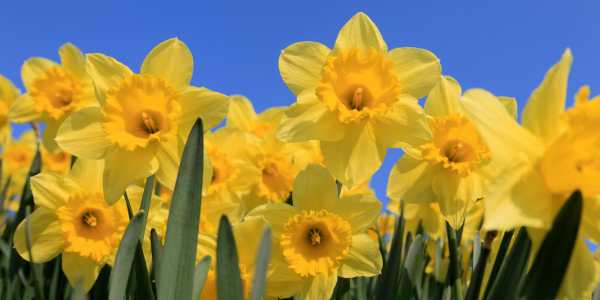
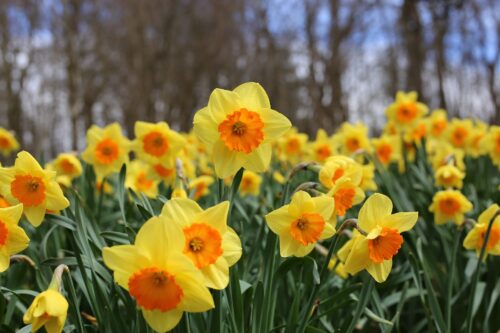
Daffodils
These bright yellow flowers are a cheery addition to any spring garden. While they do contain pollen, daffodils typically produce less than other flowers, making them a better choice for allergy sufferers. However, they are toxic to cats and dogs, so be sure to plant them out of reach of pets. Daffodils grow from bulbs and should be planted in autumn, preferably in full sun or partial shade.
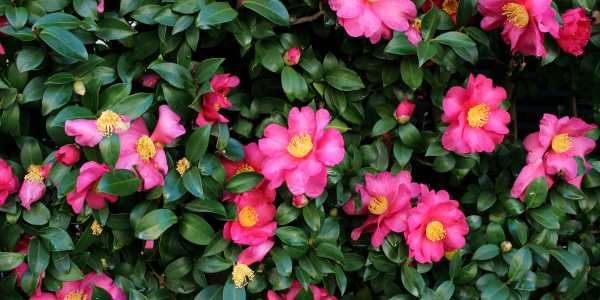
Camellias
Camellias are a stunning and versatile option. Because they contain both male and female reproductive organs on the same plant, they don’t need wind or insects to carry their pollen, which means less irritation for those with hay fever. Camellias can be grown as hedges, trees, or potted plants, making them a versatile choice for your garden. They do well in cool to subtropical climates and thrive in moist, acidic soil with partial sun.
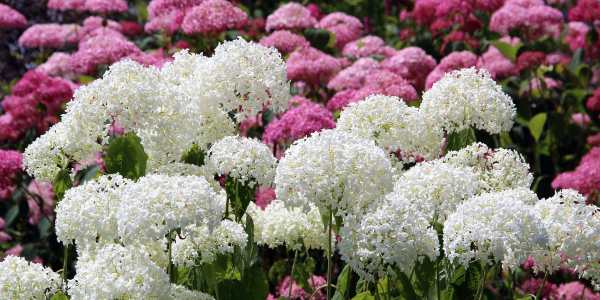
Hydrangeas
Hydrangeas are considered a hypoallergenic flower as their pollen is sticky and not easily airborne. Available in white, blue, pink, and purple, they add gorgeous colour to the garden and are hardy enough for beginners. Plant hydrangeas in autumn or spring and keep them well-watered in warmer months. Note: they can be toxic to pets, so consider placement carefully.

Roses
Roses offer timeless beauty and low pollen levels, making them a gentle option for sensitive noses. With countless varieties available, you can also choose different scents and colours to suit your space. Roses thrive in direct sunlight and are best planted in winter, and many types flower throughout the year, not just spring. Most rose bushes are non-toxic to pets, but always watch out for thorns and prune when needed!
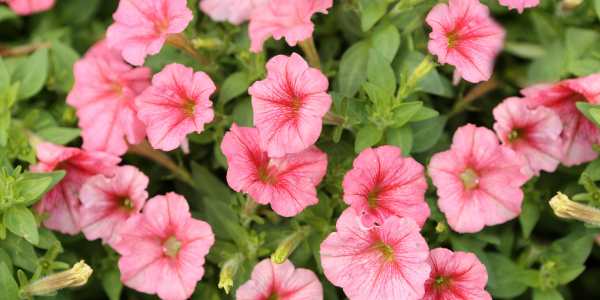
Petunias
Although petunias have a faint scent, they are not known to trigger allergies. They grow well in garden beds, pots, or hanging baskets. In cooler climates, plant them in the warmer months; in warmer regions, they can grow year-round. Make sure your petunias get at least six hours of sun daily for best results.
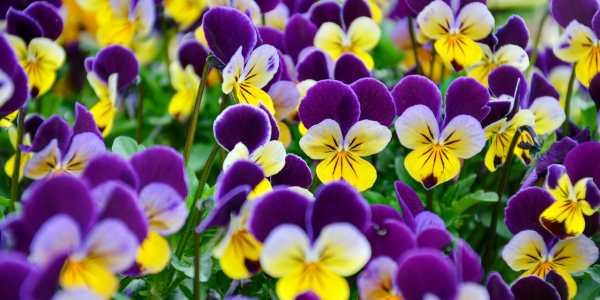
Violas & Pansies
These small flowers come in a wide range of colours and patterns, and their sticky pollen doesn’t become airborne easily. Violas and pansies thrive in cooler months and tend to fade once the temperature rises. Plant them in sunny spots with free-draining soil for a vibrant, allergy-friendly display.
The Worst Flowers for Allergies
If you suffer from hay fever or other pollen sensitivities, steer clear of the following high-pollen flowers:
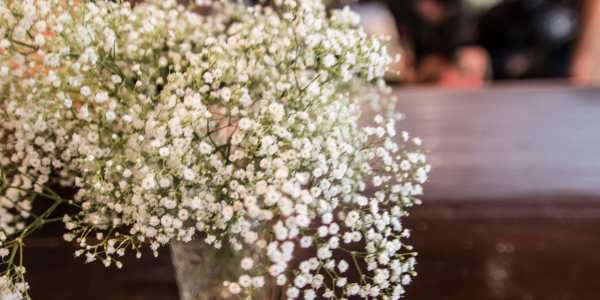
Baby’s Breath
A popular filler in floral arrangements, Baby’s Breath is rich in pollen and can quickly trigger allergic reactions.
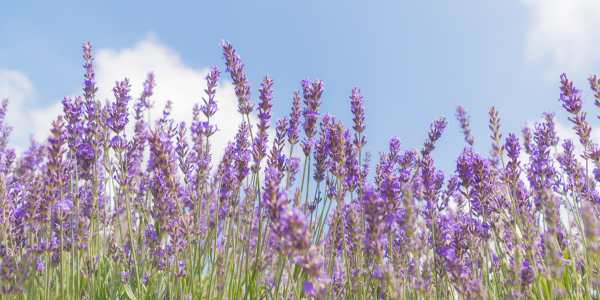
English Lavender
Despite its lovely scent, English Lavender is a wind-pollinated plant and can also cause skin irritation upon contact.
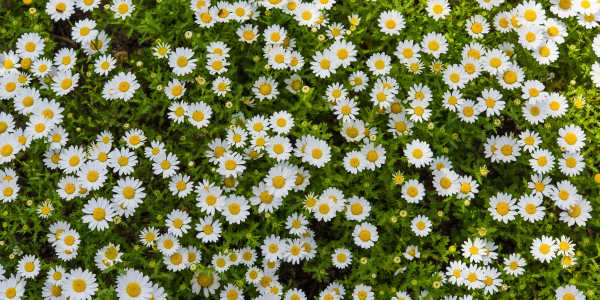
Daisies
Daisies may look innocent, but they produce significant amounts of pollen and are a common culprit for hay fever.
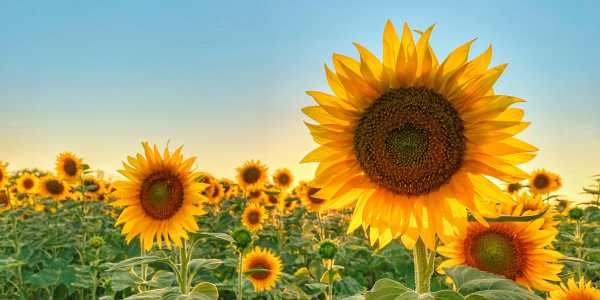
Sunflowers
Sunflowers contain both male and female flowers within their large centres, resulting in heavy pollen production, making them a no-go for allergy sufferers.

Dahlias
As members of the Aster family, Dahlias are high in pollen. However, some hybrid varieties are more suitable for allergy-sensitive gardens.
Receive the Best Gardening Care with Jim’s Mowing
Creating a low-allergen garden doesn’t mean compromising on beauty. At Jim’s Mowing, our team of gardening professionals can help you choose, plant, and maintain your hypoallergenic garden. We also offer services such as lawn mowing, pruning, landscaping, and more to keep your garden looking its best.To book a service or get expert advice, simply contact us or head online and request a free quote today.