As winter’s chill begins to fade across Australia, your lawn is slowly waking up, ready to burst back to life. Spring isn’t just about warmer days; it’s a crucial time to give your lawn the attention it needs to recover from winter dormancy and prepare for the warmer months ahead. Think of it as hitting the reset button for a lusher, healthier, and more resilient lawn.
Whether you have a hardy Buffalo, a popular Kikuyu, a versatile Couch, or another common Australian grass type, a little spring preparation goes a long way. Let’s walk through the essential steps to revive your turf and set it up for the new season.

Kickstart Your Spring Lawn with a Clean Up
After the cooler, often wetter, winter months, your lawn needs a good clear-out before it can truly thrive. This initial clean-up also gives you the perfect opportunity to assess its post-winter condition.
Remove Debris & Thatch
The first order of business is to thoroughly clear away any winter debris that has accumulated. This includes fallen leaves, twigs, and any other litter that might be smothering your grass. Not only do these block sunlight and airflow, but they can also create damp conditions that encourage fungal growth.
Once the surface is clear, take a moment to check for thatch. Thatch is a layer of dead grass stems, roots, and other organic matter that builds up between the green blades and the soil surface. A thin layer (less than 1.5 cm) is fine, but if it’s thicker, it can prevent water, air, and nutrients from reaching the soil and roots, leading to a weaker lawn. You can often remove lighter thatch build-up with a strong rake, but for thicker layers, you might consider verti-mowing or dethatching tools.
Inspect for Damage & Issues
With your lawn clean, it’s easier to spot any areas that might need extra attention. Look for:
- Bare Patches: Areas where the grass has died off or thinned out. These might need patching or reseeding.
- Weed Invasions: Winter weeds, like Winter Grass or broadleaf varieties, might have taken advantage of dormant lawn. Now’s the time to plan their eviction.
- Signs of Pests or Diseases: Look for unusual discolouration, thinning, or actual grubs. Early detection is key for effective treatment.
- Poor Drainage: Areas that remain soggy long after rain could indicate lawn compaction or drainage issues.
Revitalise Your Lawn’s Foundation through Aeration & Top Dressing
Once your lawn is clean, it’s time to get down to the roots. Healthy soil is the bedrock of a vibrant lawn, and two key spring tasks can make a world of difference: aeration and top dressing.
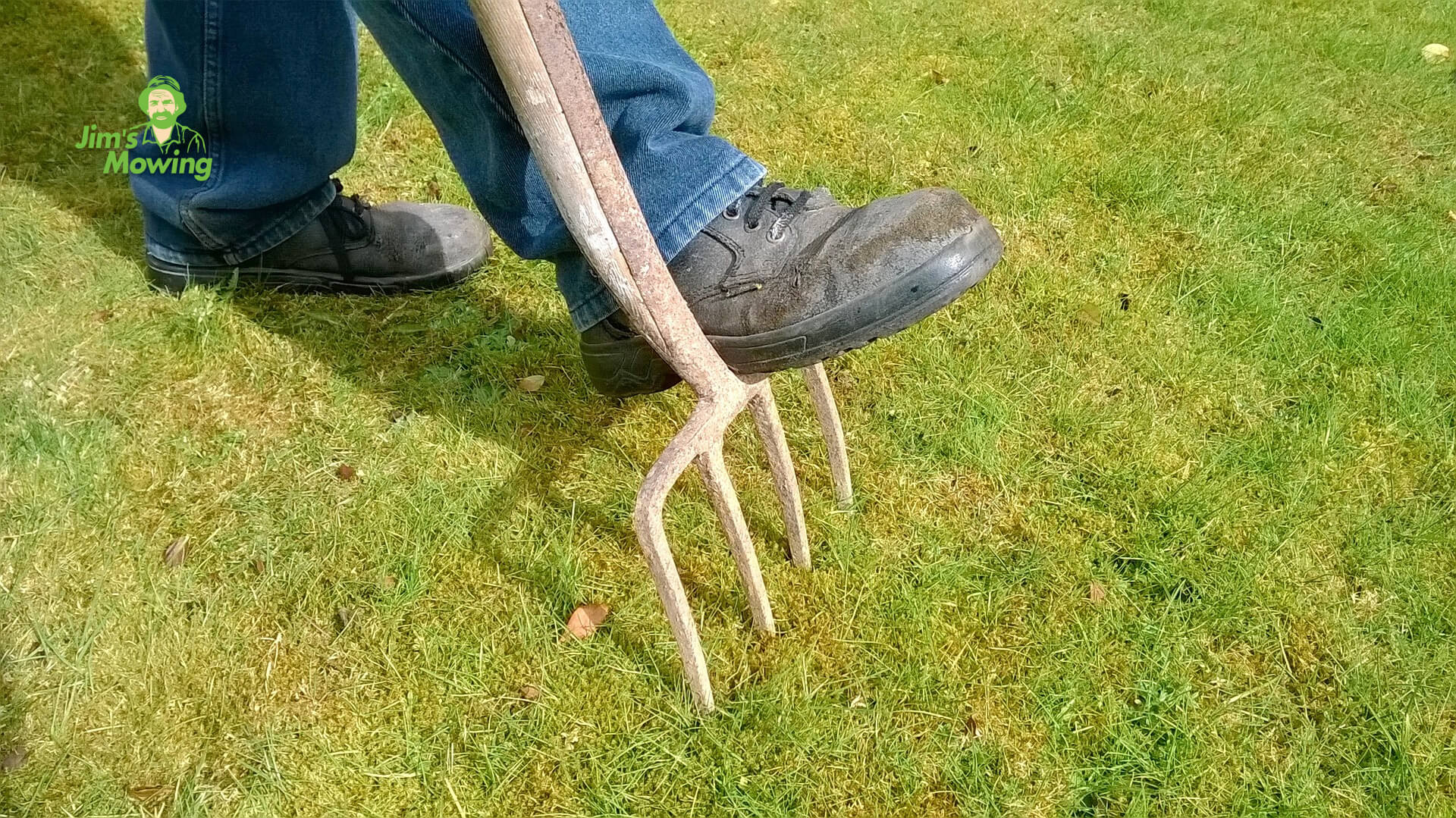
Aerate for Airflow and Nutrient Absorption
After a winter of rainfall, foot traffic, or simply being dormant, your lawn’s soil can become compacted. When soil is too dense, it restricts the flow of air, water, and nutrients to the grass roots, essentially suffocating them. This leads to weaker, shallower roots and a less healthy lawn overall.
Aeration involves creating small holes in the lawn, either by spiking (using a garden fork) for smaller lawns, or by core aeration (removing small plugs of soil with a specialised machine) for larger areas.
Consider Top Dressing for Soil Improvement
After aeration, or even as a standalone practice, top dressing can significantly improve your lawn’s health. This involves applying a thin, even layer of a specific soil mix (often a blend of sand, soil, and organic matter) over the entire lawn.
Top dressing helps to:
- Fill in minor depressions and level the lawn
- Improve soil structure and drainage
- Add beneficial organic matter to the soil, boosting fertility
- Promote new root growth and a thicker, more resilient turf
It’s particularly beneficial for lawns recovering from winter stress or those with sandy or heavy clay soils. Spread the mix evenly and rake it into the grass, ensuring the blades are still visible.
Fertilising for Spring Vibrancy
Once your soil is ready, it’s time to feed your lawn! Fertilising in spring provides the essential nutrients your grass needs to emerge from dormancy, green up, and establish strong growth before the peak demands of summer.
Choose and Apply the Right Fertiliser
The type of fertiliser you choose matters, and it often depends on your grass type and soil conditions.
- For Warm-Season Grasses (like Buffalo, Kikuyu, Couch, Zoysia): These grasses are waking up now and will benefit from a slow-release, nitrogen-rich fertiliser. Nitrogen is key for lush, green growth. A slow-release option provides a steady supply of nutrients over several weeks, preventing sudden growth spurts and reducing the risk of ‘burn.’
- For Cool-Season Grasses (less common in warmer parts of Australia, but present in cooler climates): These might need a different balance, but generally, a good all-purpose lawn food will suffice.
Proper application is vital to avoid burning your lawn, and to ensure even coverage. Always follow the manufacturer’s instructions for application rates and methods, and use a fertiliser spreader for consistent application. Immediately after applying fertiliser, water your lawn thoroughly. This washes the nutrients off the grass blades and into the soil where they can be absorbed.
Essential Ongoing Care
Once your lawn has been cleaned, aerated, and fed, maintaining its health with proper mowing and watering practices is crucial as temperatures rise.

Adjust Your Mowing Habits
As your lawn livens up for spring and starts growing more vigorously, your mowing frequency will naturally increase. However, how you mow is just as important as how often. We have a whole other Jim’s Mowing blog that goes deep into the ‘how-to’ of lawn mowing, but here’s a quick summary:
- Resist the urge to ‘scalp’ your lawn; in spring, it’s best to maintain a slightly higher mowing height to allow for better photosynthesis.
- Mow frequently enough so that you are only removing about one-third of the grass blade’s height at any one time.
- Always ensure your mower blades are sharp. Dull blades tear the grass, leading to ragged, brown tips that make your lawn look unhealthy and more susceptible to disease.
Smart Spring Watering
As the days get warmer and longer, your lawn’s water needs will increase. However, smart watering in spring is about efficiency and encouraging deep roots.
- Water deeply and infrequently, aiming for longer watering sessions that encourage water to penetrate deeply into the soil. This forces grass roots to grow downwards in search of moisture, making your lawn more resilient to summer drought.
- Always check the soil moisture level before watering. Stick a screwdriver or a moisture meter into the lawn; if it comes out dry, it’s time to water.
Tackling Weeds & Pests
Spring isn’t just about new growth for your lawn; it’s also prime time for weeds to emerge and for pests to become active. Being proactive can save you a lot of headaches down the line.

Get a Handle on Spring Weeds
After winter, many weeds will start to germinate and grow rapidly as the weather warms up. This is a critical time for spring weed control.
- Identify your weeds so you can find out the best course of action for that species.
- Manually remove where possible; hand-weeding is incredibly effective, especially after rain when the soil is soft. Just ensure you get the entire root system.
- For widespread infestations, a selective herbicide designed for your specific grass type (e.g., a lawn-safe weed killer for Buffalo or Kikuyu) can be very effective.
Watch Out for Spring Pests
As the ground warms, many lawn pests become active. Keeping an eye out for early signs can prevent significant damage.
Look out for signs of lawn grubs (like African Black Beetle larvae or armyworms), which can cause patches of grass to turn yellow or brown, and can leave the lawn feeling spongy. If pests are detected, a targeted insecticide may be necessary to get rid of them.
Your Spring Lawn Care Partner: Jim’s Mowing is Here to Help
Getting your lawn ready for the warmer months can feel like a big job. From understanding your specific grass type’s needs to knowing the right time and method for fertilising, aerating, or tackling stubborn weeds, it’s a lot to manage.
That’s where your friendly local Jim’s Mowing experts come in. Our experienced franchisees live and work in your community, meaning they understand the unique conditions of your area and the specific needs of Australian lawns.
Don’t let your lawn miss out on its best season, contact your local Jim’s Mowing today for your spring lawn care needs!