Every Australian lawn takes a beating from time to time. Whether it’s the dog’s favourite toilet spot, the kids having a kickaround, or just nature wreaking havoc, damage to your grass is inevitable. The good news? Most lawn damage can be fixed with the right approach and a bit of know-how.
Understanding what’s causing the problem is half the battle. Is it pests munching away underground? Disease taking hold? Or just everyday wear and tear? Once you know what you’re dealing with, you can tackle it properly and get your lawn back to looking its best.
Here’s your complete guide to identifying, treating, and preventing the most common types of lawn damage across Australia, straight from the pros at Jim’s Mowing.
Bare Patches
What it looks like: Areas of lawn that have died off completely, leaving bare soil exposed.
Common causes:
- Heavy foot traffic
- Dog urine damage
- Spilled chemicals or fertiliser burn
- Disease or pest damage
- Poor drainage causing root rot
How to fix it:
For small patches under 30cm:
- Remove dead grass and loosen soil with a rake
- Add quality lawn soil or compost to improve the area
- Apply lawn seed or lay small pieces of matching turf
- Water gently but consistently until established (2-3 weeks for seed or 1-2 weeks for turf)
- Keep foot traffic off the area during recovery
For large patches:
- Consider the underlying cause first (drainage, soil compaction, ongoing damage source)
- Fix drainage issues or improve soil if needed
- Use turf rather than seed for faster, more reliable results
- Install stepping stones or pathways if caused by foot traffic
Best timing: Autumn or spring when temperatures are moderate and natural rainfall helps establishment.
Dry Patches (Hydrophobic Soil)
What it looks like: Areas that stay brown and dry even after watering, with water running off rather than soaking in.
Why it happens: This is particularly common in areas with sandy soil, like much of Western Australia. When soil dries out completely, it can become water-repellent.
How to fix it:
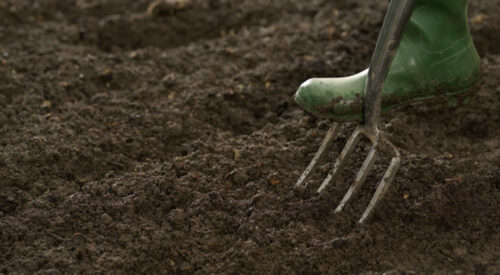
- Aerate the affected areas using a garden fork or aerator to break through the waxy layer
- Apply soil wetting agent after aeration so it can actually penetrate the soil
- Check your irrigation system for blocked sprinklers or poor coverage patterns
- Adjust watering habits to deep, less frequent sessions rather than light, frequent sprinkling
Prevention:Regular aeration and maintaining organic matter in soil through regular fertilising.
Pest Damage
African Black Beetle
What it looks like: Patches of grass that can be rolled back like carpet. The grass appears to have no roots left.
Identification test: Pour a bucket of water with dish soap over affected areas. If present, beetles and white grubs will surface within minutes.
Treatment:
- Severe infestations: May require professional treatment with appropriate insecticides
- Light infestations: Try natural methods first:
- Place damp carpet pieces on affected areas overnight, collect beetles in the morning
- Use garden lights at night to attract beetles, collect them the following morning
- Apply beneficial nematodes (natural predators) to soil
Armyworms and Cutworms
What it looks like: Irregular brown patches that seem to appear overnight, often with visible caterpillar droppings.
Identification: Check for armyworms hiding in grass during the day, or active ones at night.
Treatment:
- Apply appropriate caterpillar treatment in evening when they’re active
- Re-seed damaged areas once pest problem is resolved
- Monitor regularly during spring and autumn when armyworms are most active
General Grub Damage
What it looks like: Brown patches with grass that pulls up easily due to root damage.
Treatment:
- Confirm grub presence by digging up small sections to identify pests
- Apply grub-specific treatment following label directions
- Water treatment in thoroughly
- Repair damaged areas with seed or turf once grubs are controlled
Fungal Diseases
Dollar Spot
What it looks like: Small circular brown patches roughly the size of a dollar coin, though multiple spots can merge into larger areas.
Causes: High humidity combined with nitrogen deficiency, poor air circulation, and excess moisture on grass overnight.
Treatment:
- Improve nitrogen levels with appropriate fertiliser, following package directions
- Reduce moisture on grass by watering early morning only
- Improve air circulation by trimming nearby plants if possible
- Dethatch if necessary to reduce humidity at soil level
Prevention: Regular fertilising, morning watering only, and good lawn hygiene.
Brown Patch
What it looks like: Large circular brown areas with a darker outer ring, most common in warm, humid conditions.
Treatment:
- Reduce nitrogen fertilising temporarily
- Improve drainage and air circulation
- Water deeply but less frequently
- Remove affected grass and re-seed if severe
Pythium (Root Rot)
What it looks like: Yellow to brown patches that appear during hot, humid weather, and grass feels slimy when wet.
Treatment:
- Improve drainage immediately
- Reduce watering frequency
- Apply appropriate fungicide if severe
- Re-establish affected areas once conditions improve
Fertiliser Burn
What it looks like: Brown or yellow patches following fertiliser application, often with defined edges matching application patterns.
How to fix it:
- Water immediately and heavily to dilute remaining fertiliser
- Continue deep watering for several days
- Remove severely damaged grass and prepare soil for re-seeding
- Wait 2-3 weeks before re-establishing grass in affected areas
Prevention: Always apply fertiliser as directed by the product instructions, water in immediately, and avoid fertilising stressed or dry lawns.
Winter Damage
What it looks like: Brown, thin, or patchy grass following cold weather, frost, or extended cloudy periods.
Treatment:
- Wait for warmer weather before major interventions
- Gradually increase care as temperatures rise
- Overseed thin areas in early spring
- Be patient; dormant grass often recovers naturally
Prevention: Avoid late-season nitrogen fertilising, continue mowing until growth stops, avoid foot traffic on sensitive areas when it’s frosty out.
Thatch and Moss Problems
Excessive Thatch
What it looks like: Thick layer of dead grass stems between green growth and soil, with water running off easily.
Treatment:
- Dethatch using a power rake or dethatching rake
- Core aerate to improve soil compaction
- Adjust fertilising practices (too much nitrogen promotes thatch)
Moss Growth
What it looks like: Green, spongy areas that aren’t grass, usually in shady or wet areas.
Treatment:
- Improve drainage in affected areas
- Increase sunlight by trimming overhead branches if possible
- Adjust soil pH if very acidic
Physically remove moss and overseed with shade-tolerant grass
General Repair Tips
Timing is everything: Most repairs are best done in autumn or spring when grass is actively growing and weather is just right.
Soil preparation matters: Don’t just throw seed on damaged areas. Loosen the soil first, add quality lawn soil or compost, and level it properly.
Match your grass type: Use the same variety as your existing lawn for seamless repairs.
Water consistently: New grass needs consistent moisture but not waterlogging. Light, frequent watering until established.
Be patient: Grass repairs take time. Seed can take 2-4 weeks to establish, and turf 1-2 weeks to root properly.
Address underlying causes: Fixing damage without addressing the cause means you’ll be back to square one quickly.
When to Call the Professionals
Some lawn damage is beyond DIY fixes. Consider professional help when:
- Damage covers more than 50% of your lawn
- You’ve tried repairs multiple times without success
- Pest or disease problems keep recurring
- Soil or drainage issues require major work
- You’re dealing with unknown pests or diseases
Need expert help with lawn damage? Jim’s Mowing can help! Our experienced team can diagnose problems, provide effective treatments, and help prevent future damage. Give us a call or book online for a comprehensive lawn health assessment.