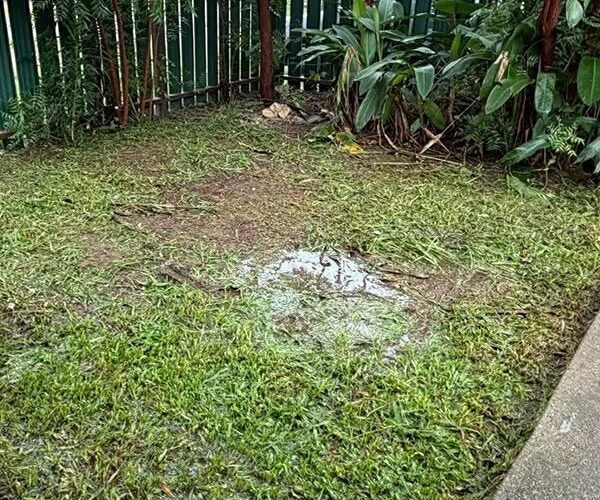
Not all soils are created equal, and if you’ve ever tried digging into clay, you’ll know exactly what that means. Whether you’re planting veggies, laying turf, or trying to grow a lush lawn, understanding your soil type is key to your garden’s success.
There’s no such thing as “bad” soil, some just need a little extra help to be ready for growing. Clay soil, for example, has its challenges. It’s often dense, poorly draining, and easily compacted, which can make gardening tough if left untreated. But the good news? With some patience and the right steps, you can dramatically improve it.

Why Improve Clay Soil?
Clay soil can actually be full of nutrients, but if water can’t drain through it or roots can’t push into it, plants will struggle. Improving clay soil means you’ll:
- Grow healthier plants with deeper roots and better access to nutrients and water
- Make maintenance easier—no more waterlogged patches or rock-hard ground during summer dry-spells
- Create better drainage to prevent issues with lawn health and plant diseases
Testing Soil Type
Not sure what kind of soil you’re dealing with? Before improving anything, it helps to confirm what you’re working with.
Ribbon Test
Take a handful of damp soil and roll it between your palms to form a ribbon. If it holds together in a long, flexible strip and feels sticky or slick, you likely have clay soil.
Aggregate Stability Test
Another test is an aggregate stability test. To conduct this test, grab a jar and fill it with clear water. Take a few crumbs of dry clay soil and place them into the water. Next, sit back and watch what happens. If you notice a milky cloud appearing around the soil then this tends to indicate clay soil is present.
These simple tests can help determine how to prepare clay soil for planting—or even whether laying turf on clay soil is the right move without some prep first.
Improving Clay Soil
Breaking down clay soil isn’t about one quick fix—it’s a process. But with consistent effort, you can transform your yard into something much easier to work with.
Add Gypsum
One of the most common solutions is adding gypsum. But how much gypsum should you add to clay soil? Generally, apply around 0.5 to 1kg per square metre, but always follow the instructions on the product label.
How does gypsum break down clay? It helps by loosening the soil structure, breaking up compacted clumps, and improving drainage. It’s particularly useful in clay soils with high sodium content.
Incorporate Organic Matter
Dig in compost, well-rotted manure, or leaf mulch regularly. These organic materials help aerate the soil and improve its ability to hold and drain water. Over time, they also feed beneficial microbes that further break down heavy clay.
Aerate the Soil
Mechanical aeration—using a garden fork or lawn aerator—can help improve air and water movement in compacted clay. Do this before applying gypsum or compost to help them get deeper into the soil.
Avoid Compaction
Try not to walk on wet clay soil, as it easily compacts under pressure. Use raised garden beds or stepping stones in high-traffic areas to keep the soil structure open.
Improve Drainage in Lawn Areas
Still wondering how to improve drainage in clay soil lawns? In addition to gypsum and organic matter, consider top-dressing with sand and compost. If all else fails, installing drainage and irrigation systems may be your best bet.
Choose the Right Grass
If you’re laying turf on clay soil, preparation is crucial. Break up the soil first, add organic matter and gypsum, and level the surface before laying your turf. The best grasses for clay soil in Australia include varieties like Kikuyu, Couch, and Buffalo—all known for their durability and adaptability to tough conditions.
Jim’s Mowing Expert Help
Improving clay soil is all about building a better foundation, and it doesn’t happen overnight. If it’s a bit too much to take on alone, Jim’s Mowing is here to help.Our local gardening experts can assess your soil, recommend the best approach, and even do the heavy lifting—whether that’s general gardening, aeration, landscaping, or ongoing lawn care. Call Jim’s Mowing today, or head online for a free, no-obligation quote to start your yard improvement project.