 Feeding the soil well is one of the most crucial ways to grow a beautiful, healthy garden. Among the most important ingredients that gardeners must use to make their garden soil and plants healthy is mulch.
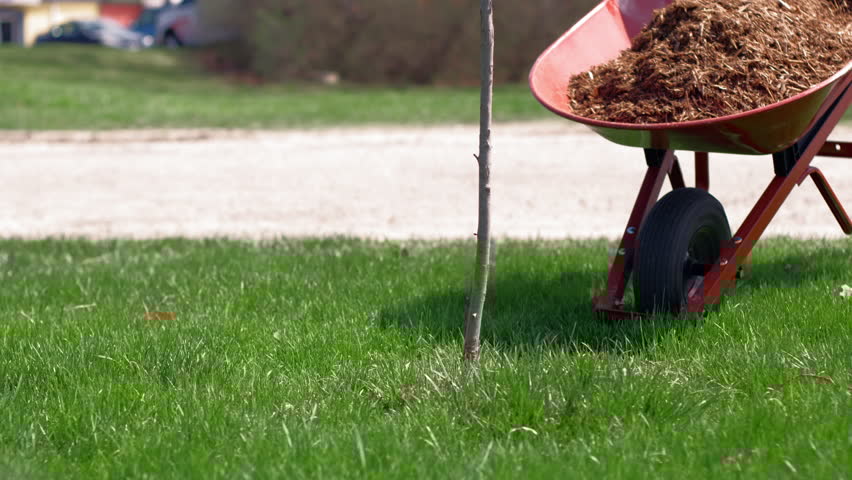
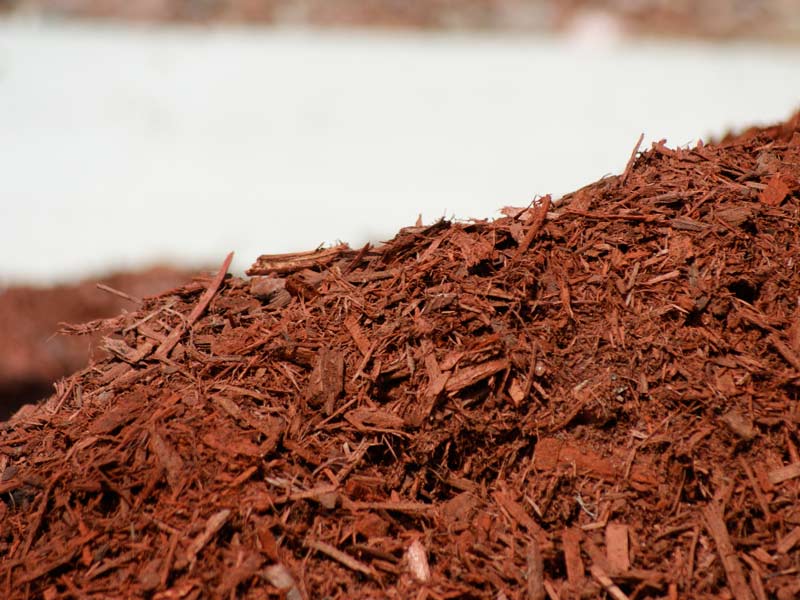
Mulch is a thick blanket of natural materials spread over garden soil to keep it healthy. Clippings, hay, straw, and even damp newspapers are some of the materials that gardeners use as mulch.
Some Mulching Tips
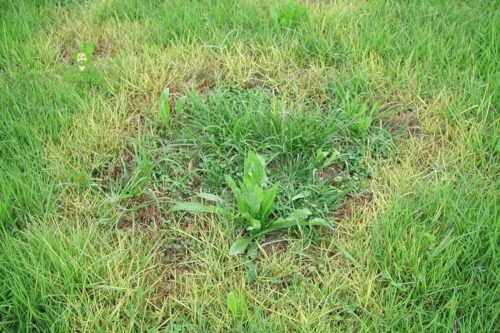
- Remove any weeds, grass and dead plants from the garden bed before mulching.
- Before applying a mulch layer, put in new plants.
- Although mulch can be applied at any time of the year, it is best applied in early summer or mid spring.
- Prior to choosing what type of mulch to use, take into account the origin of the native plant you are using. Rainforest plants, for instance, grow better with deep green organic mulch.
- Consider also how you’re going to water the plants before laying down the mulch. Drippers placed under the mulch work efficiently. Bear in mind that water applied over the mulch does not always get down to the soil.
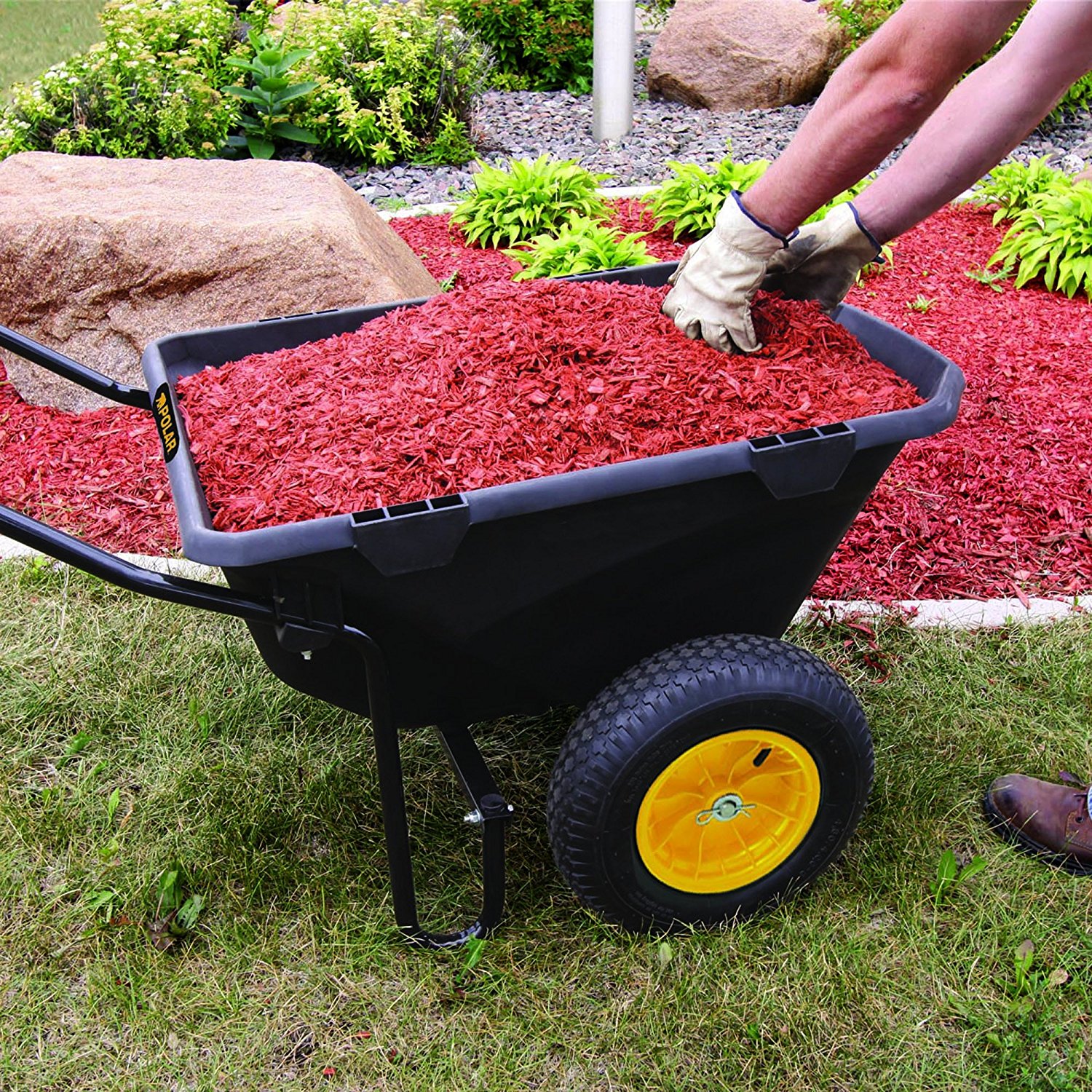
- Avoid placing piles of mulch directly against the trunks and stems of plants because this can result in plant death.
Mulch Pros
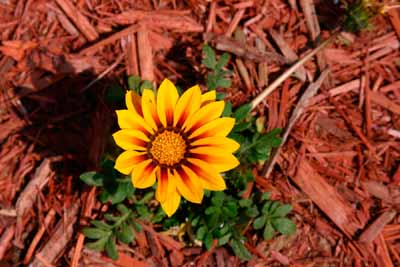
Covering exposed soil with the right type of mulch is a safe and efficient way to control weeds. This will also reduce evaporation, leading to less watering. Mulch will keep the soil temperature warmer in winter and cooler in summer. Mulch also protects the surface of the soil from the compacting effects of rain. And what’s more, it enhances the aesthetic appeal of the garden beds.
By using organic mulch, the soil can benefit from the added nutrients as the mulch starts to decompose. In turn, this helps create excellent soil structure by boosting the biological activity within the soil.
Mulch Cons
Before applying mulch, the soil must be damp or wet. When the mulch material used is very effective, it can insulate the soil completely; thereby, moisture penetration is prevented.
The use of green, fresh organic material can deplete the soil’s nitrogen supplies because decomposition uses up nitrogen. Adding extra nitrogen becomes a necessity to compensate for this. In doing so, nitrogen must be applied prior to spreading the mulch.
Finally, paper placed under mulch to suppress the growth of weeds can attract nematodes and be colonised by termites.
When mulch is incorrectly used, all gardening efforts can fail. Also, this can inflict environmental damage as it promotes pest proliferation and spreads diseases. So for all your gardening needs, seek expert help if you must.